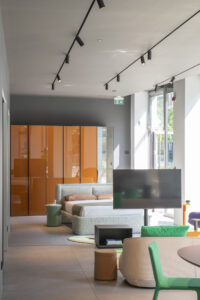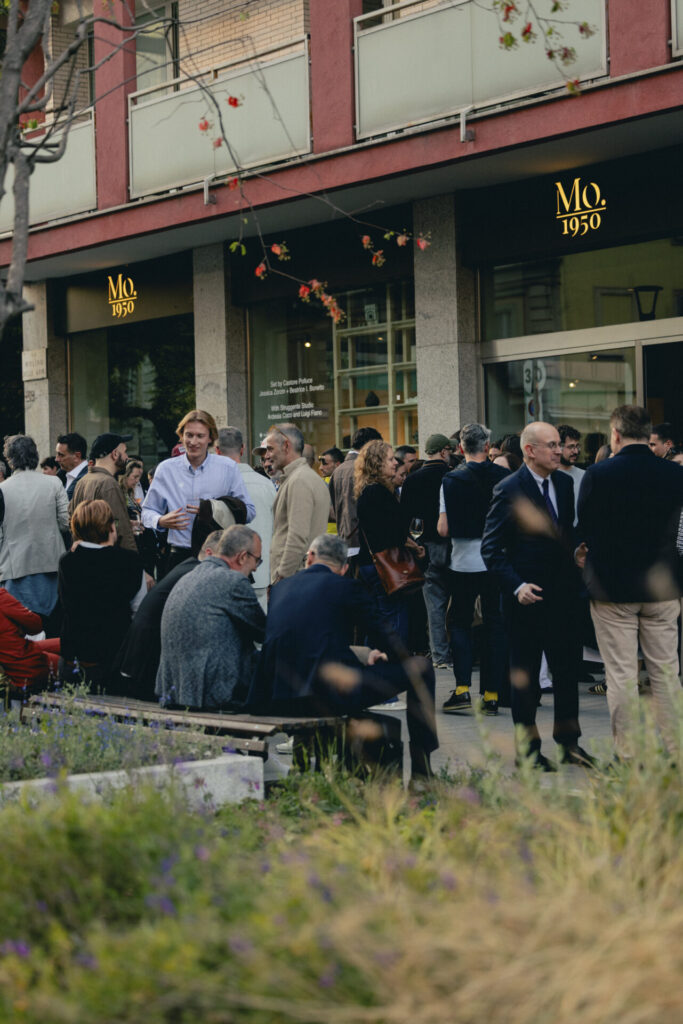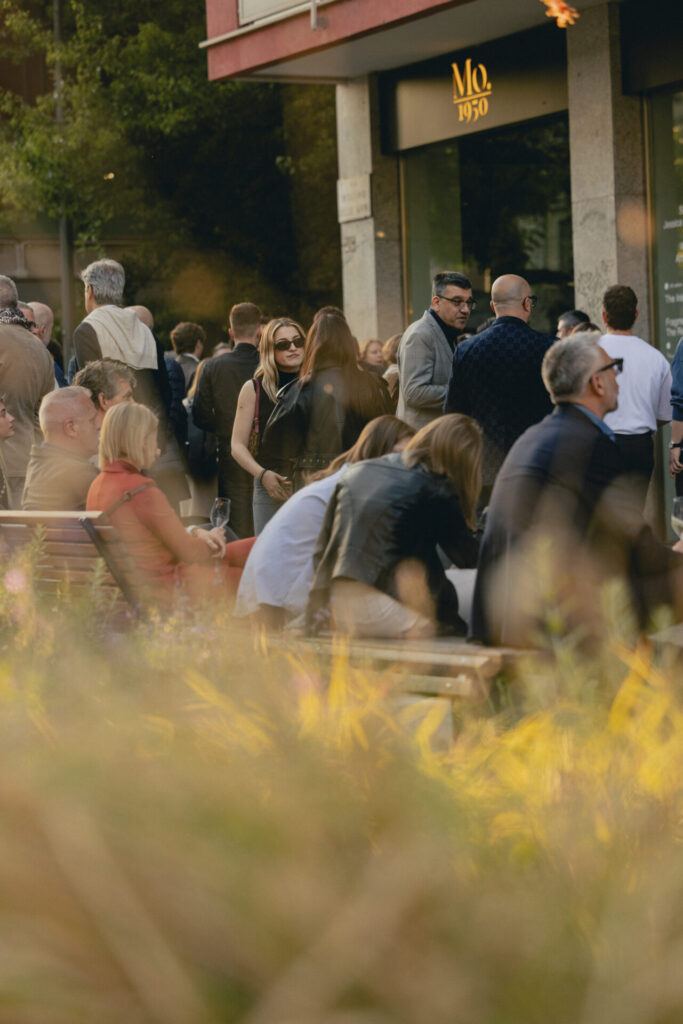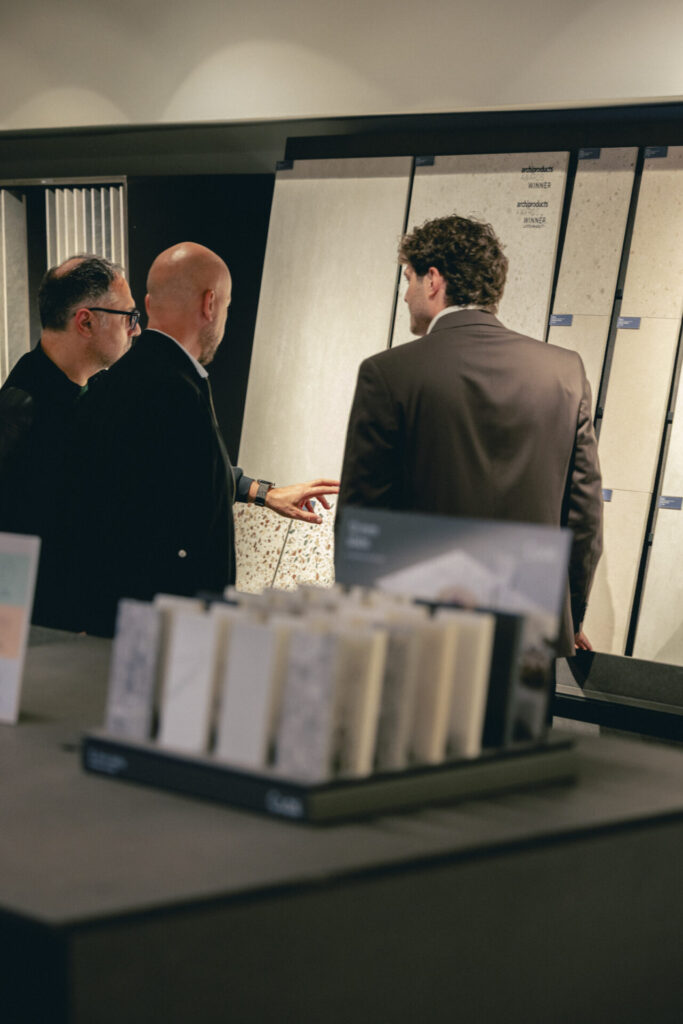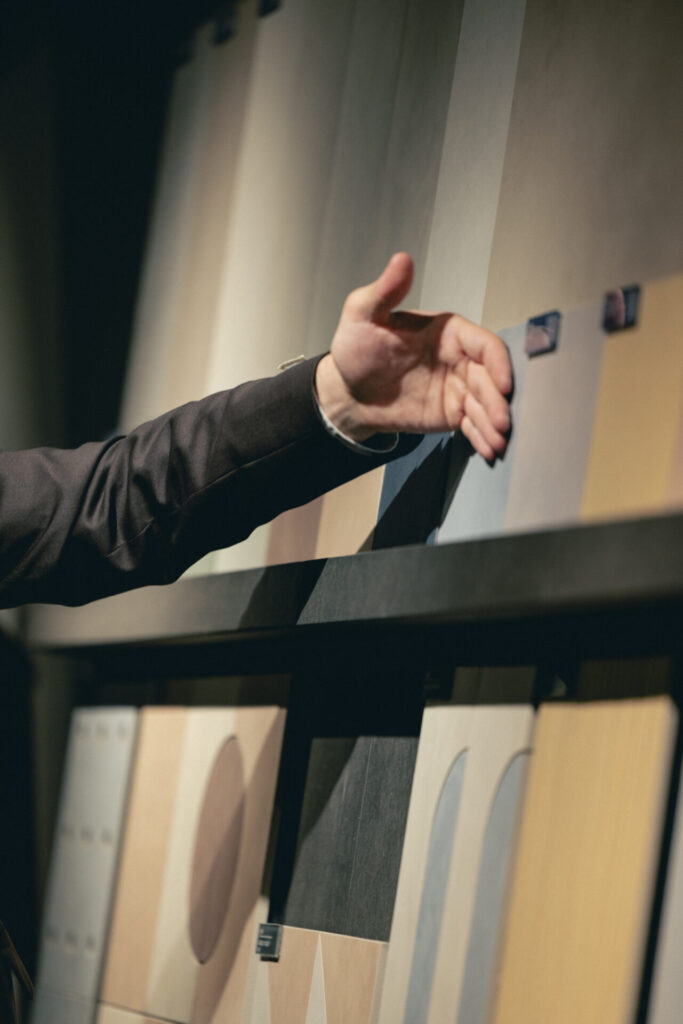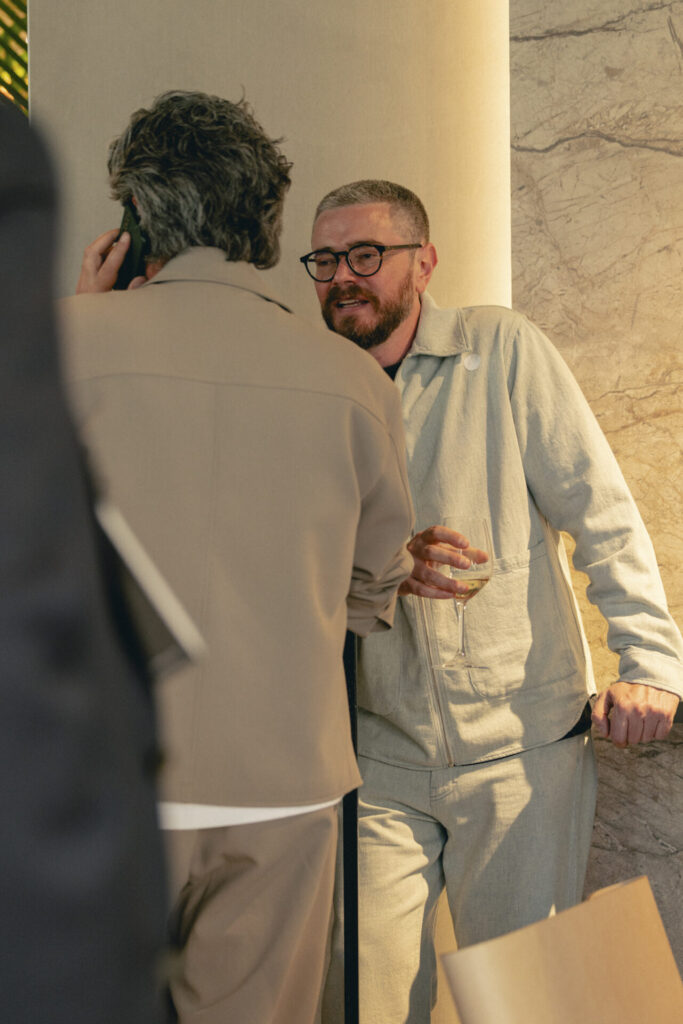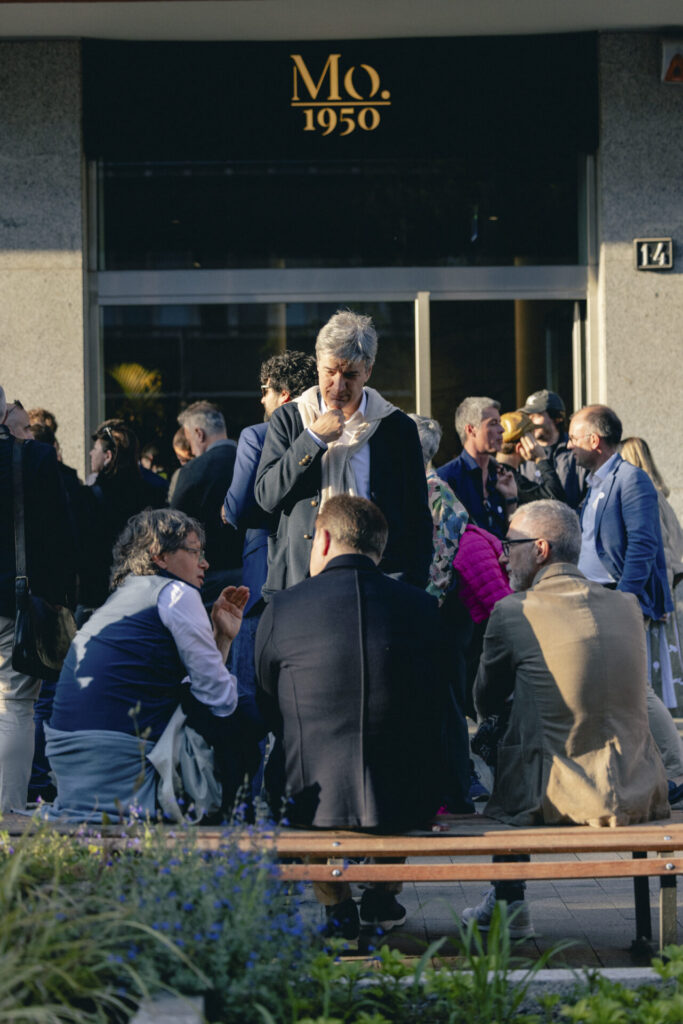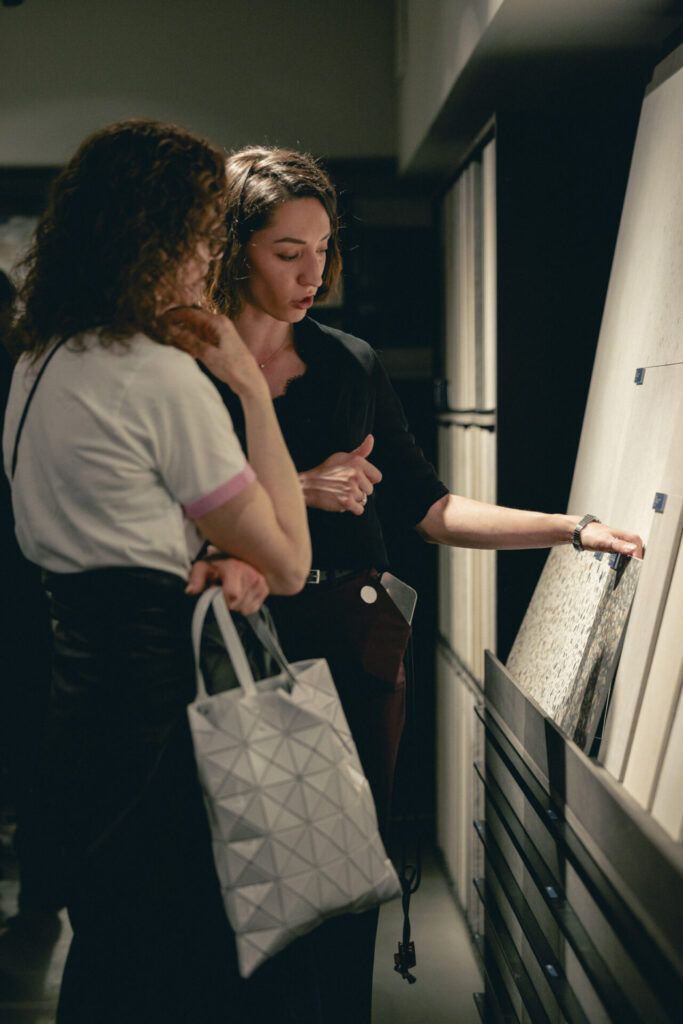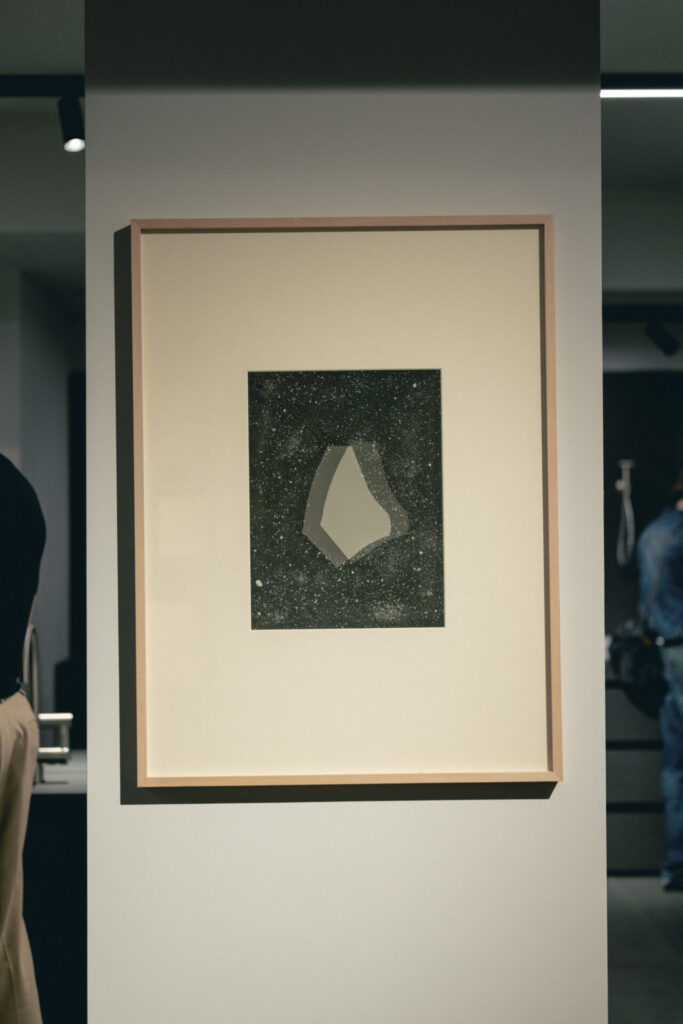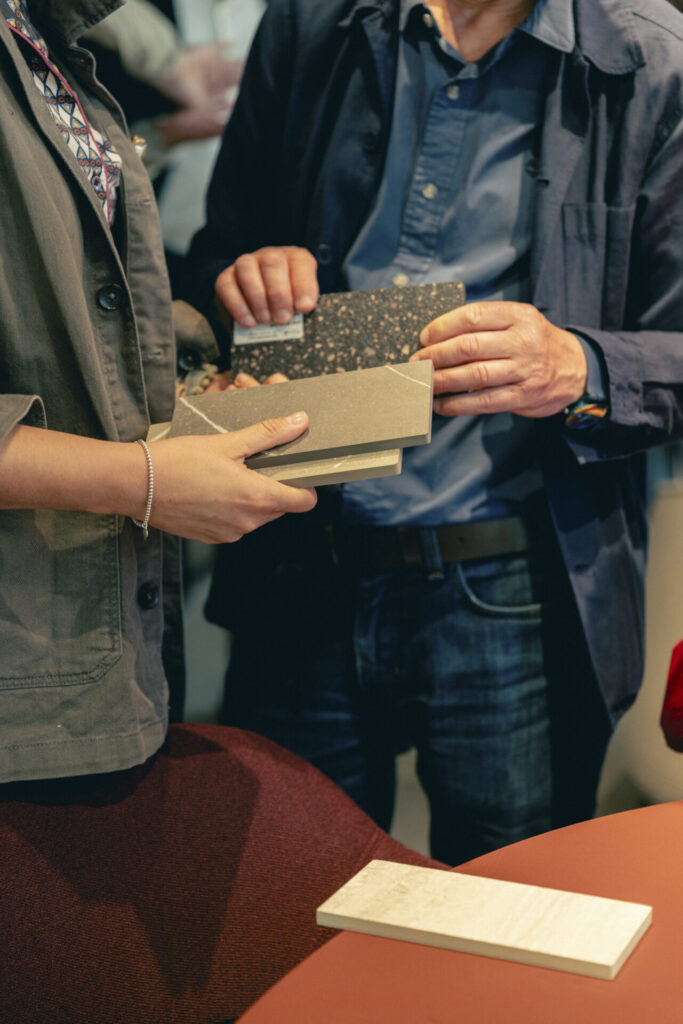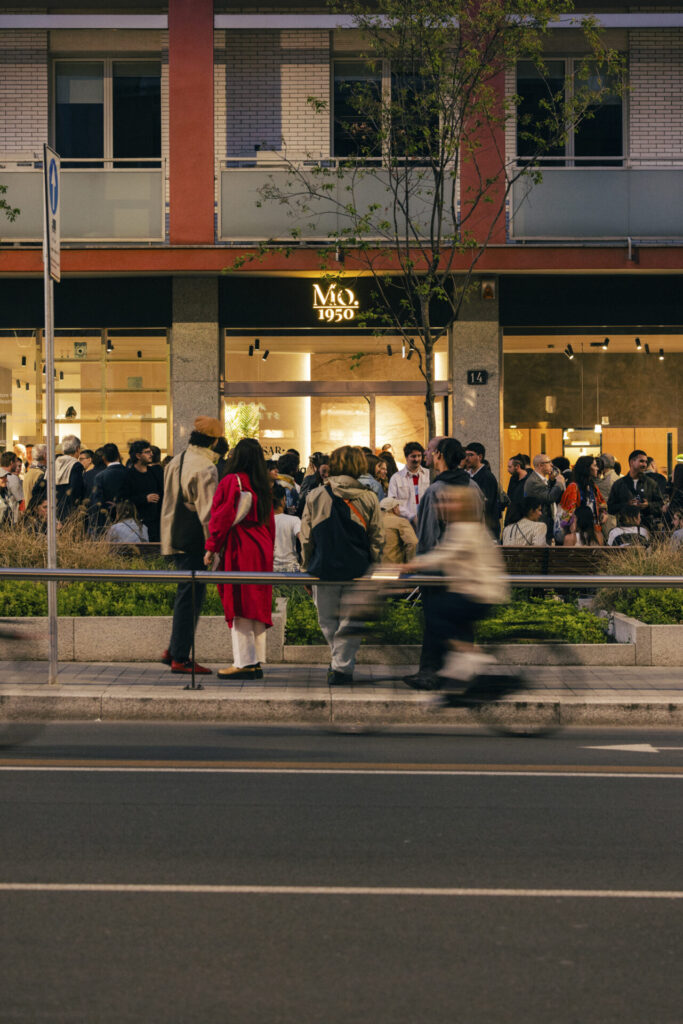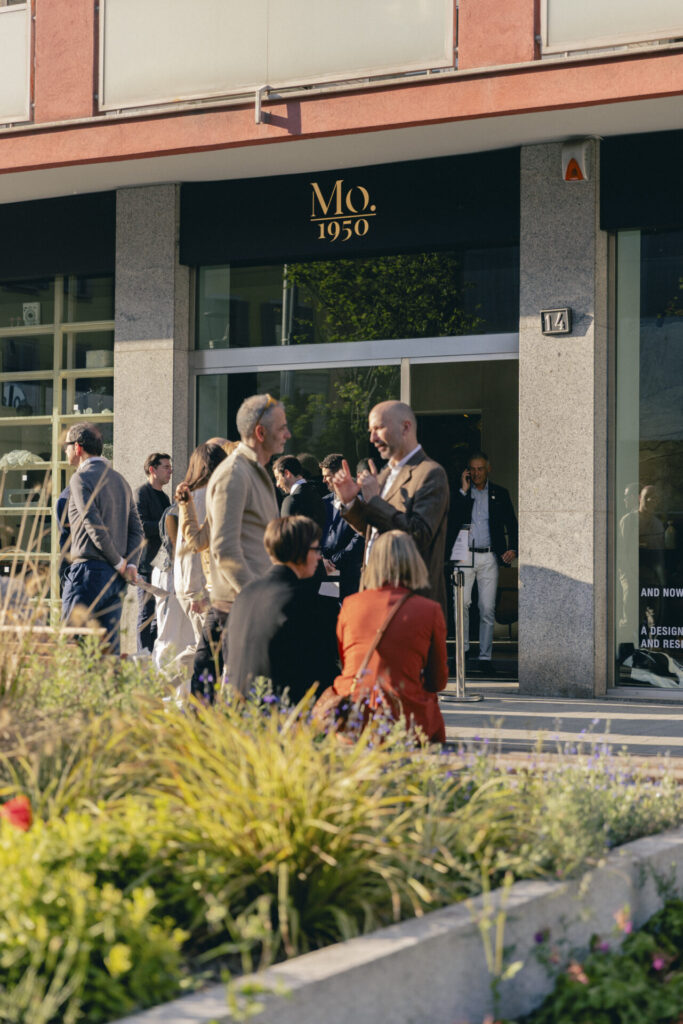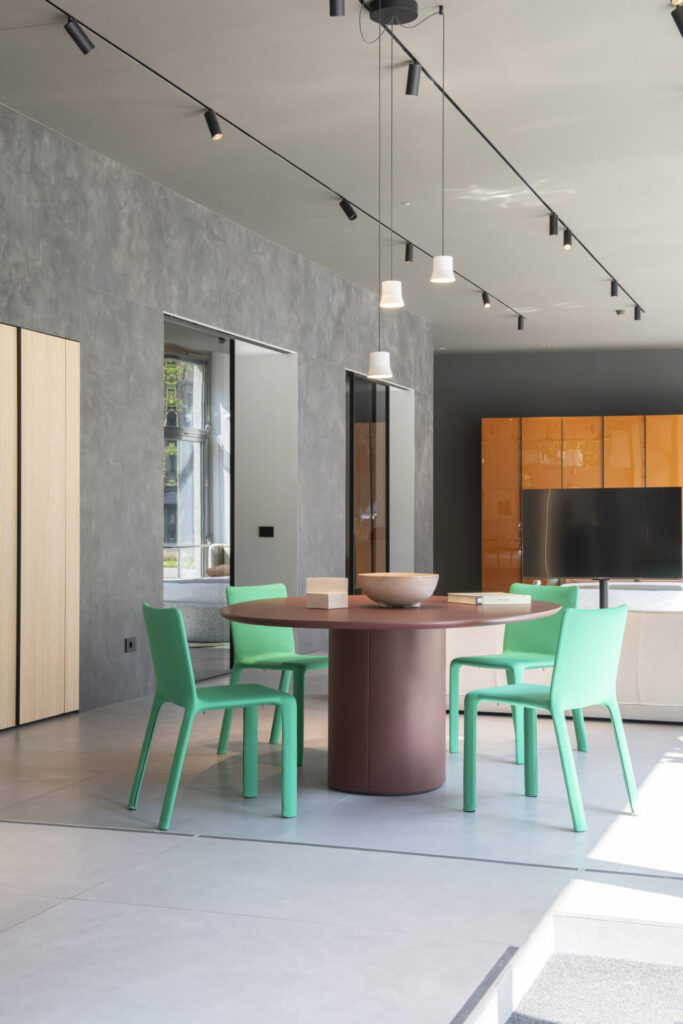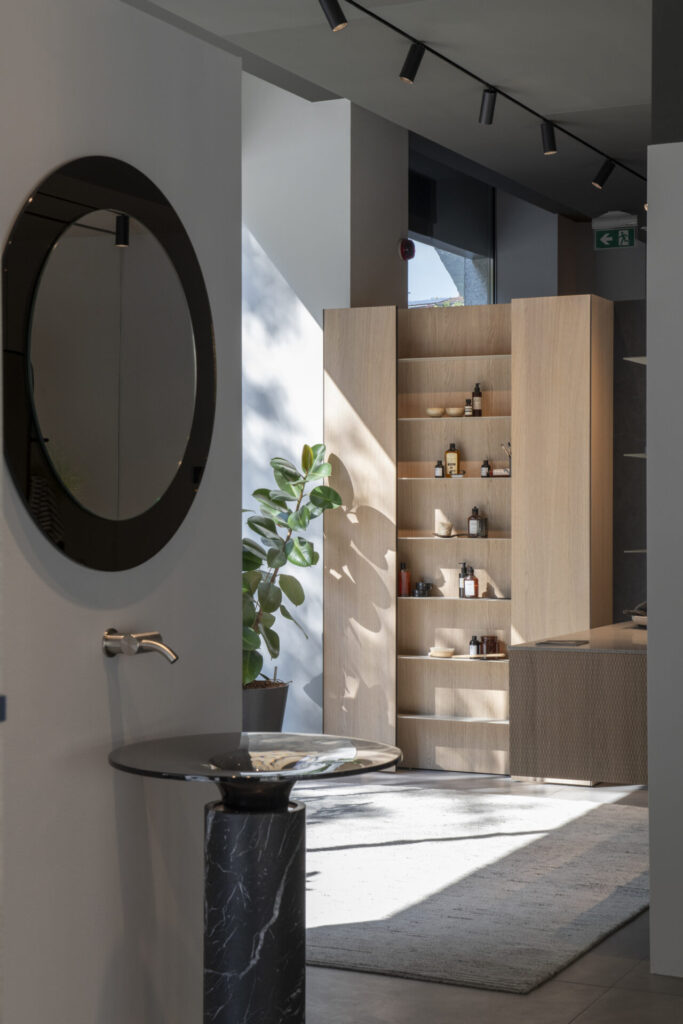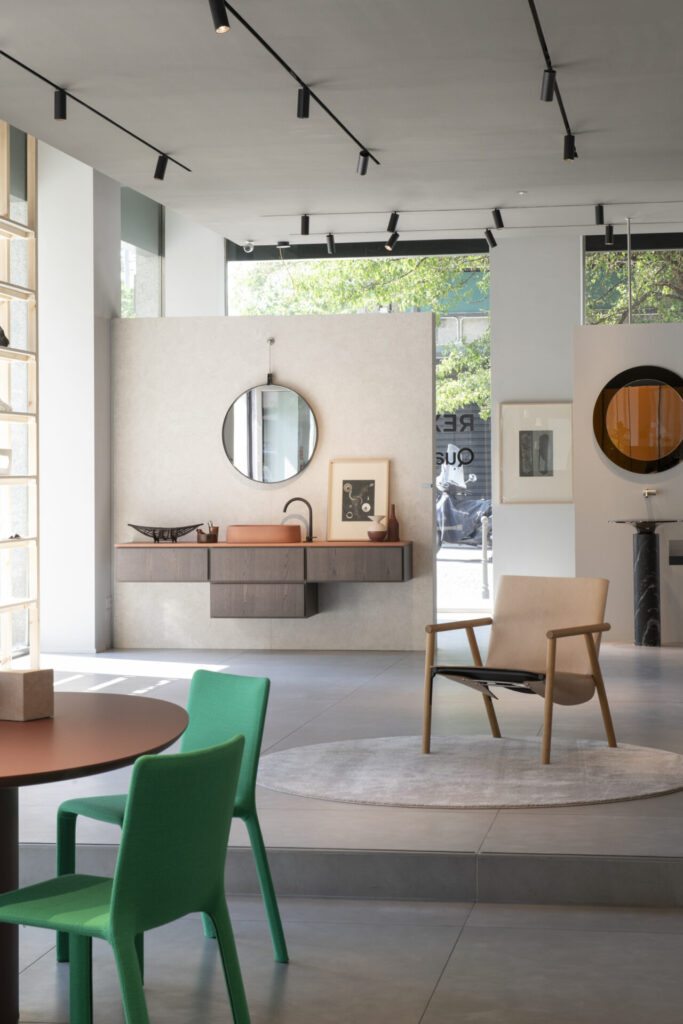
For Milano Design Week 2026, Mo.1950 – Molino presented the sixth edition of The Instant of Change – Fragmenta, curated by Luca Caizzi together with Mo.1950. Hosted at the showroom on Via Molino delle Armi 14, the project investigated what production leaves behind: traces, dust, fragments and residues usually excluded from the finished object, here reconsidered as deposits of time, process and industrial memory.
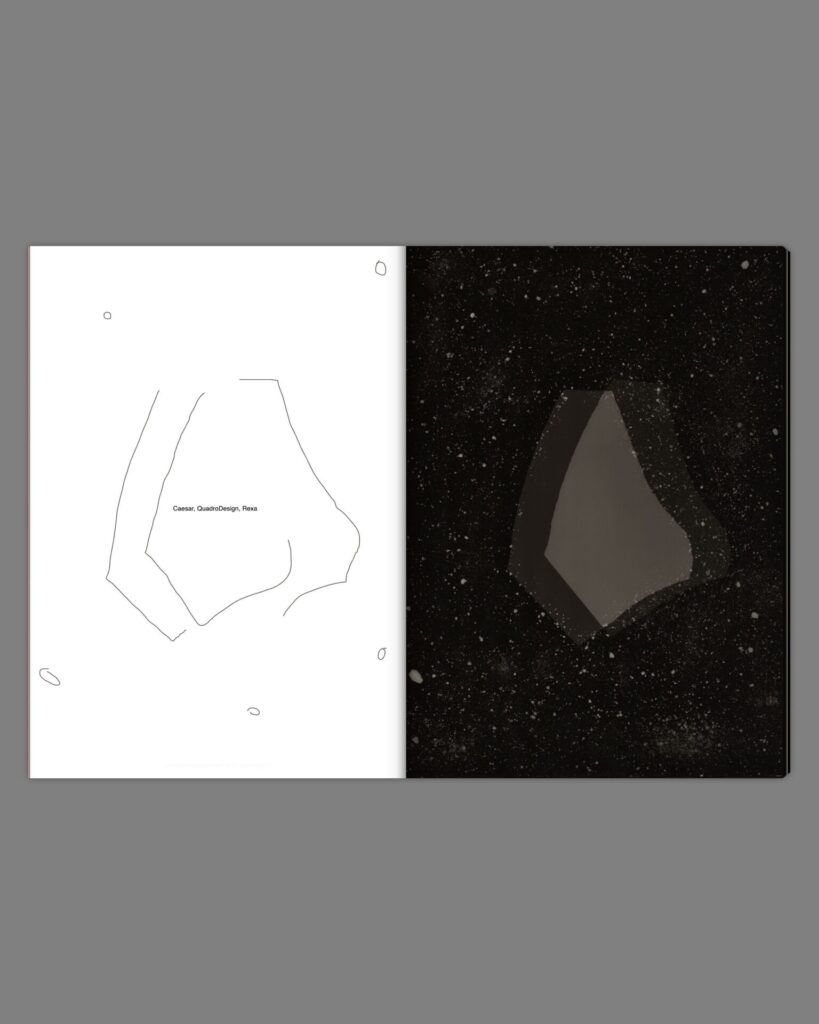
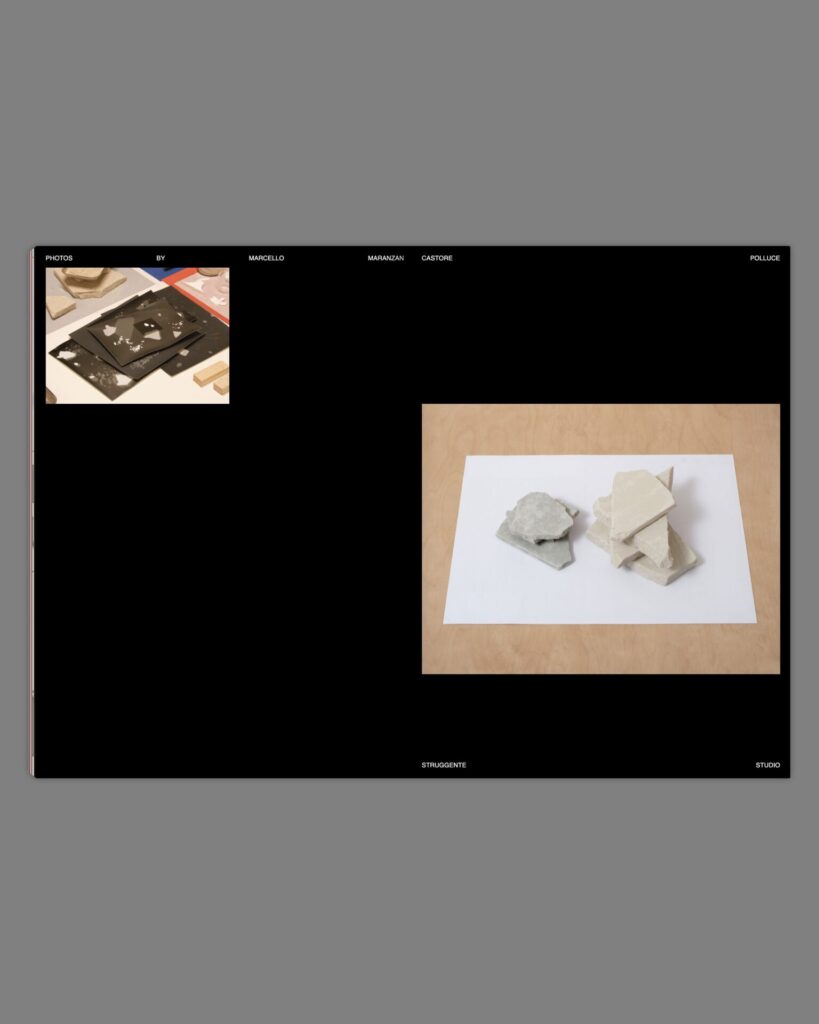
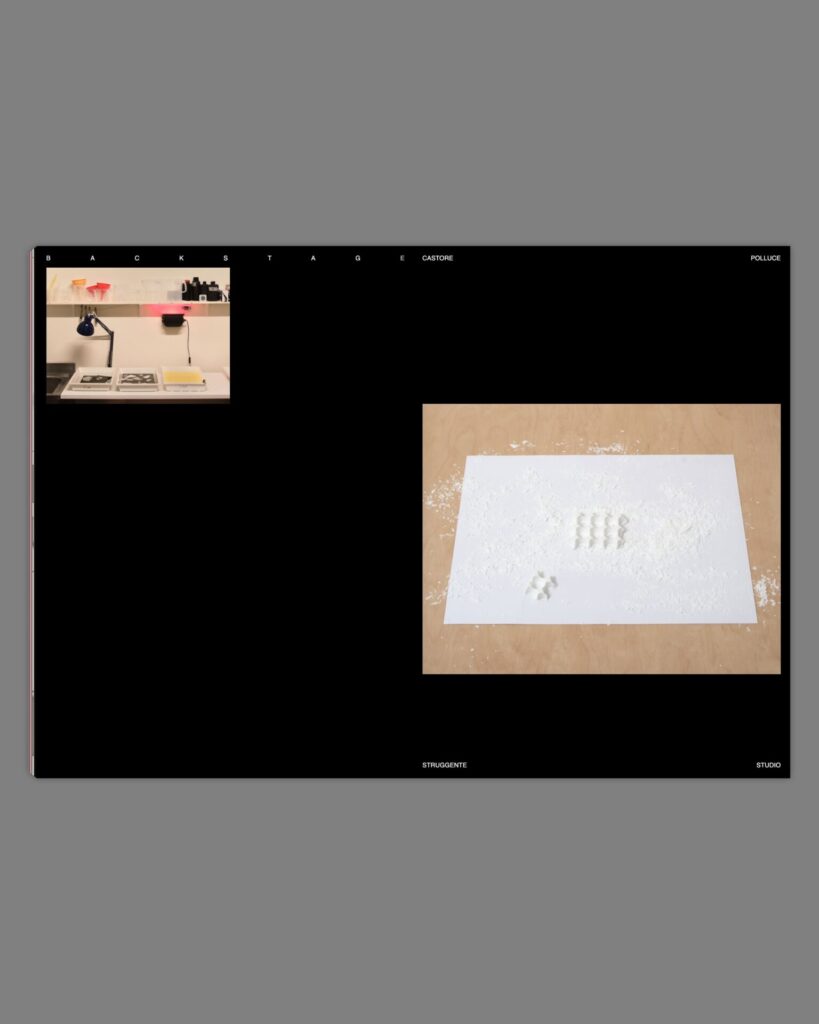
Developed through a collective practice involving Struggente Studio, the photography duo formed by Luigi Fiano and Ardesia Coco, and stylist duo Castore–Polluce, represented by Jessica Zorzin and Beatrice Isabella Bonetto, Fragmenta brought these materials into the darkroom, translating their physical imprints into analogue images.
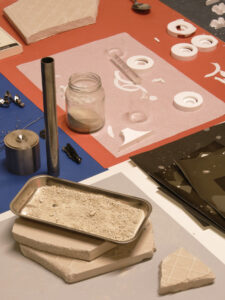
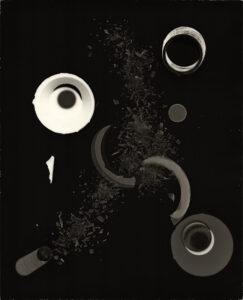
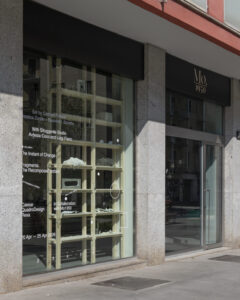
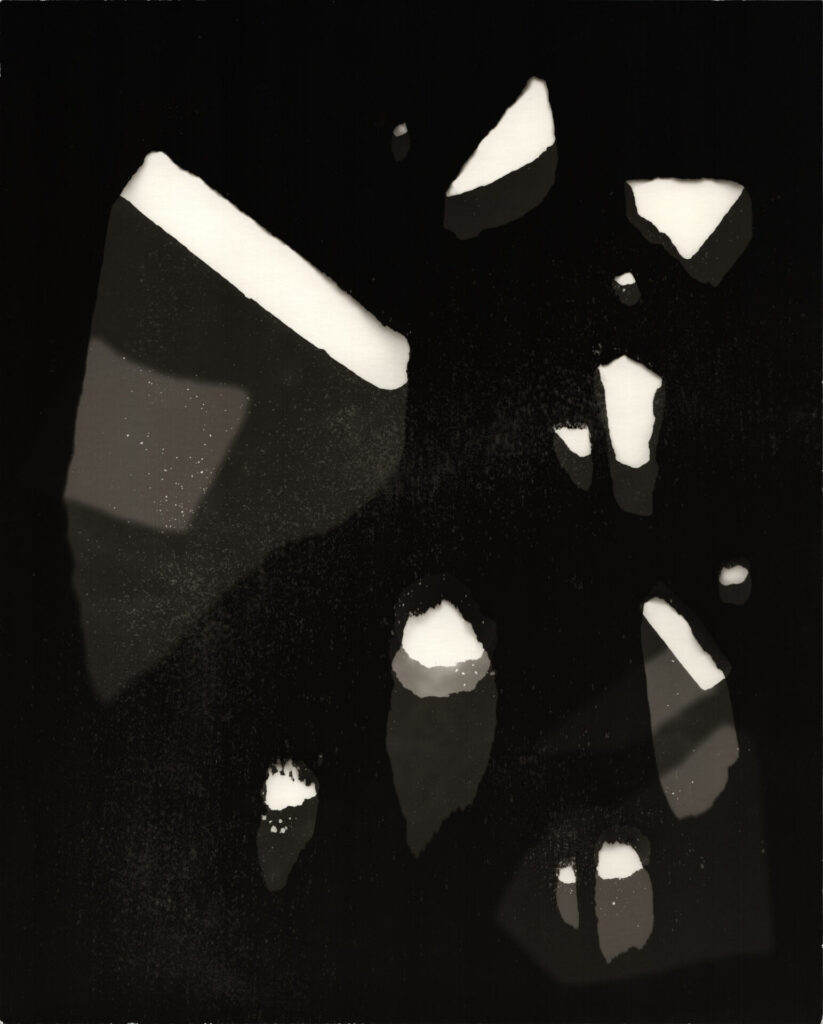
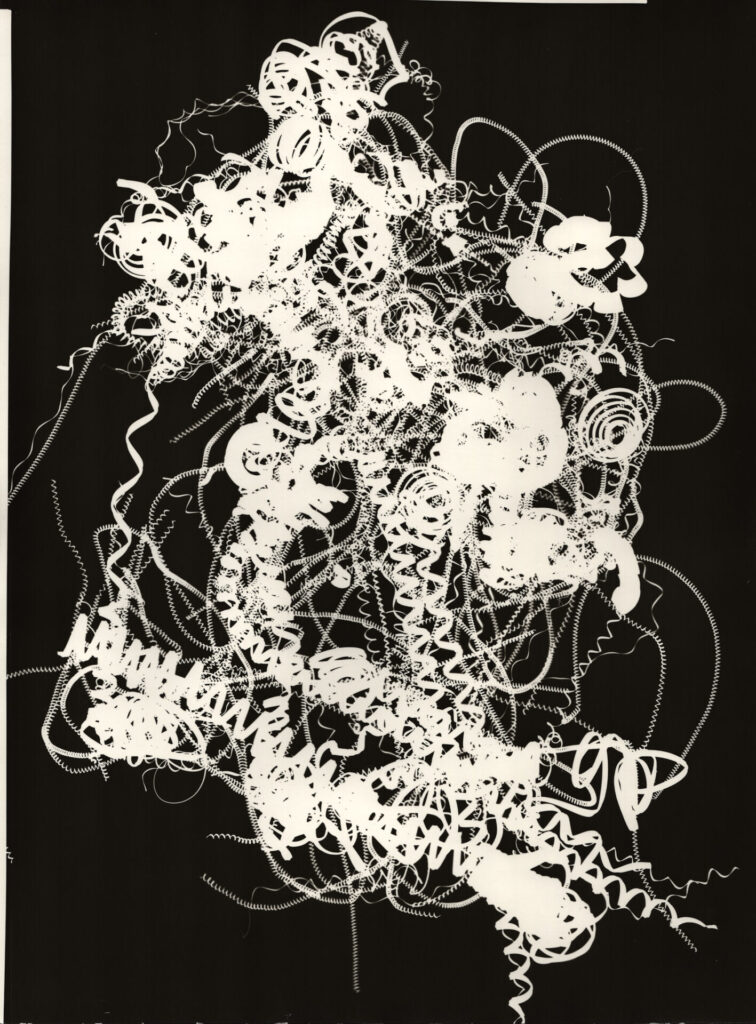
At its core is the photogram, a photographic process without a camera in which matter, light, chemistry and photosensitive paper converge. Recalling Man Ray’s rayograms, the resulting works resist mechanical reproduction: each image is a singular record of a specific encounter between material and time.
The fragment thus shifts from evidence of an ending to the possibility of a new beginning, transforming residue into an aesthetic and interpretative space.
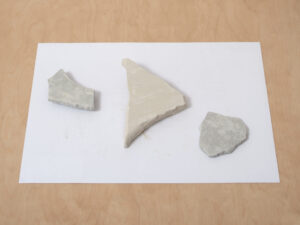
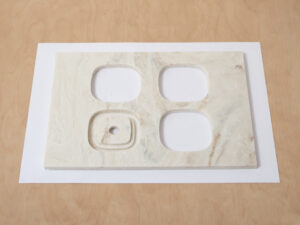
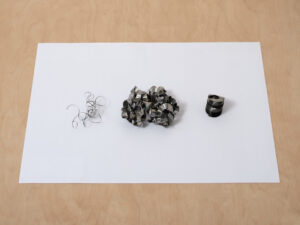
The sixth edition also marks a significant evolution of the project itself, conceived by Luca A. Caizzi and developed across five previous editions. The collective practice is no longer simply a means of producing the final work, but becomes part of its methodology. Different creative disciplines and forms of expertise converge within the same process, suggesting new possibilities for collaboration across photography, styling, design and material culture.
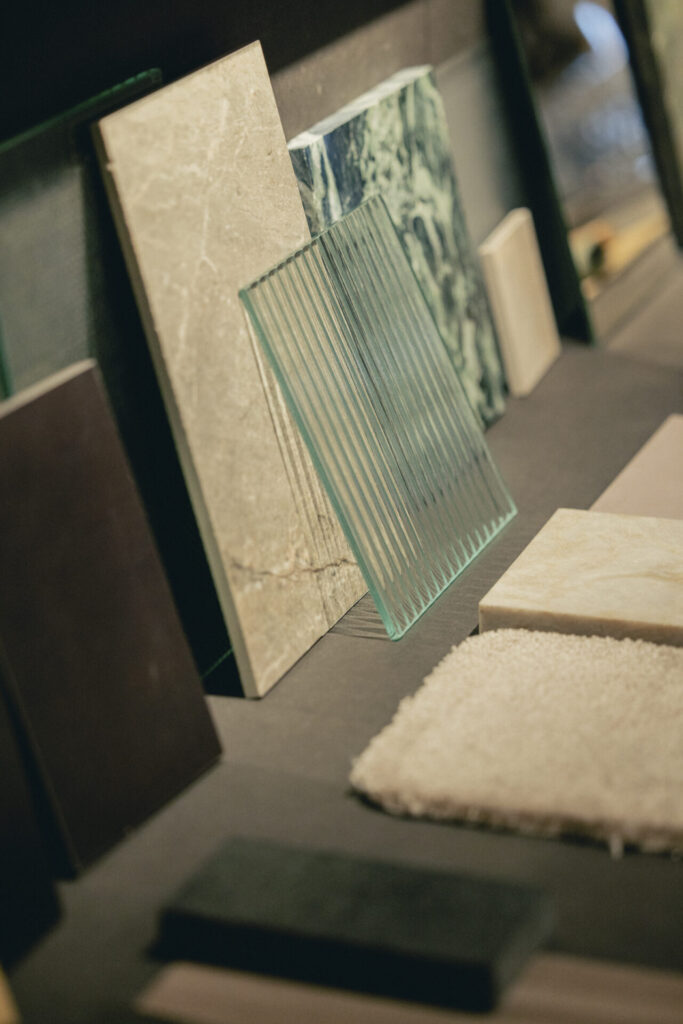
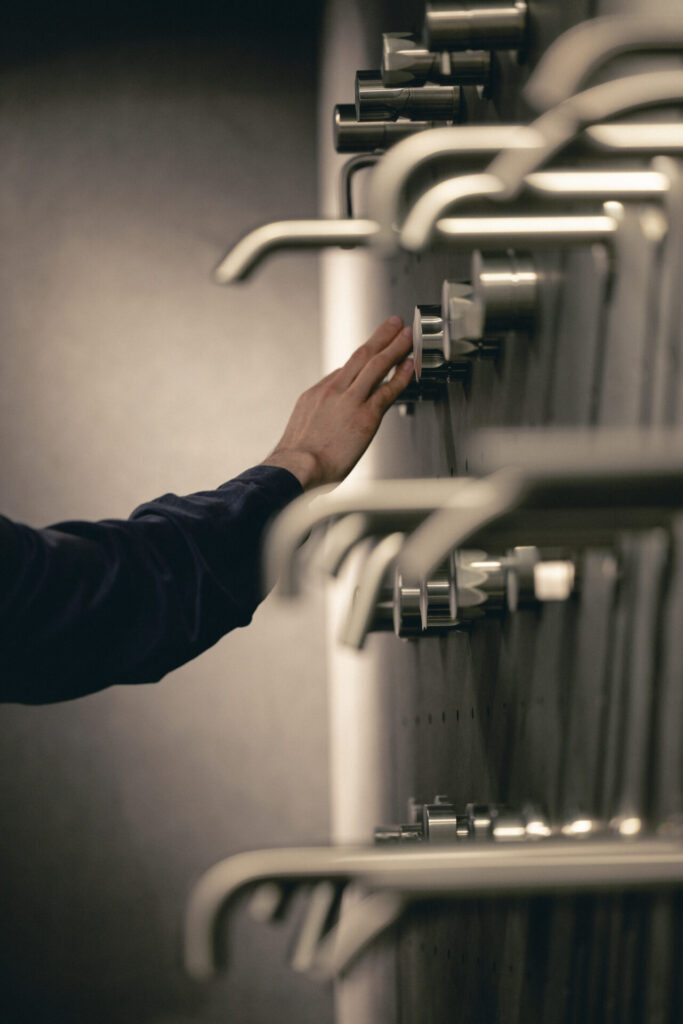
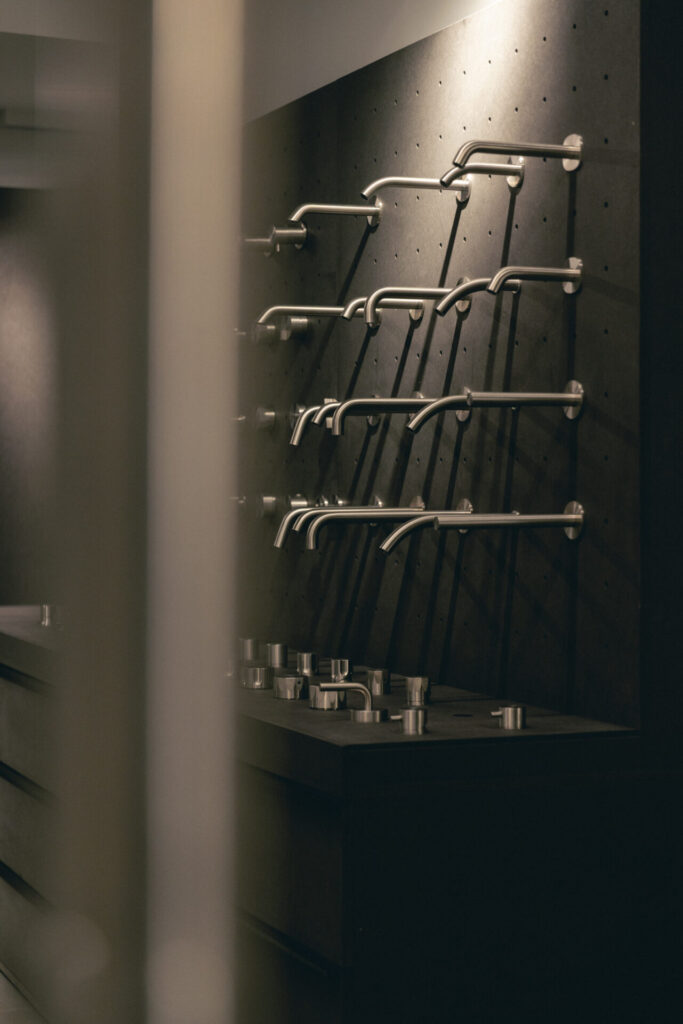
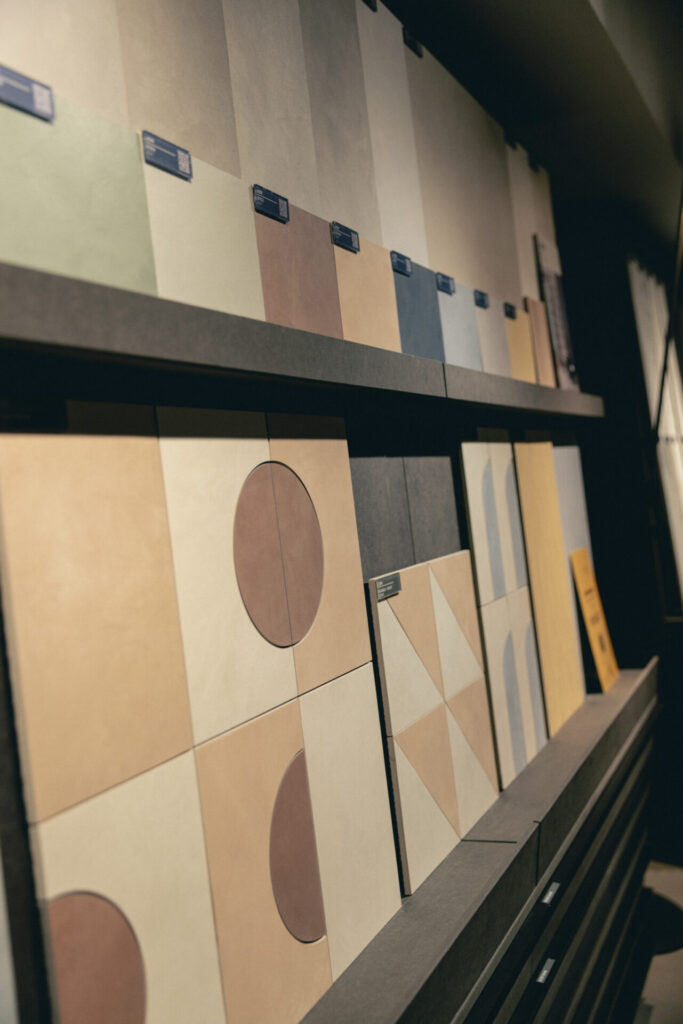
This year’s project is co-curated by Luca Caizzi & Mo.1950; as in previous editions of The Instant of Change, Mo. 1950’s partner brands Caesar Ceramiche, Rexa and QuadroDesign promoted and supported the project, and their materials contributed to the broader reflection on matter and transformation.
Ceramiche Caesar approached porcelain stoneware as an expressive system, bringing together surfaces, textures and technological research within an evolving design vocabulary.
Rexa foregrounded the physical qualities of materials, juxtaposing concrete and pressed woods through a process of subtraction that connects matter to spatial perception.
QuadroDesign contributed its characteristic dialogue between formal essentiality, technical precision and contemporary aesthetics.
Rather than functioning simply as a backdrop, the materials become part of the exhibition’s visual and conceptual vocabulary, reinforcing the idea that design can begin with the material itself and with the traces of the processes through which it is transformed.
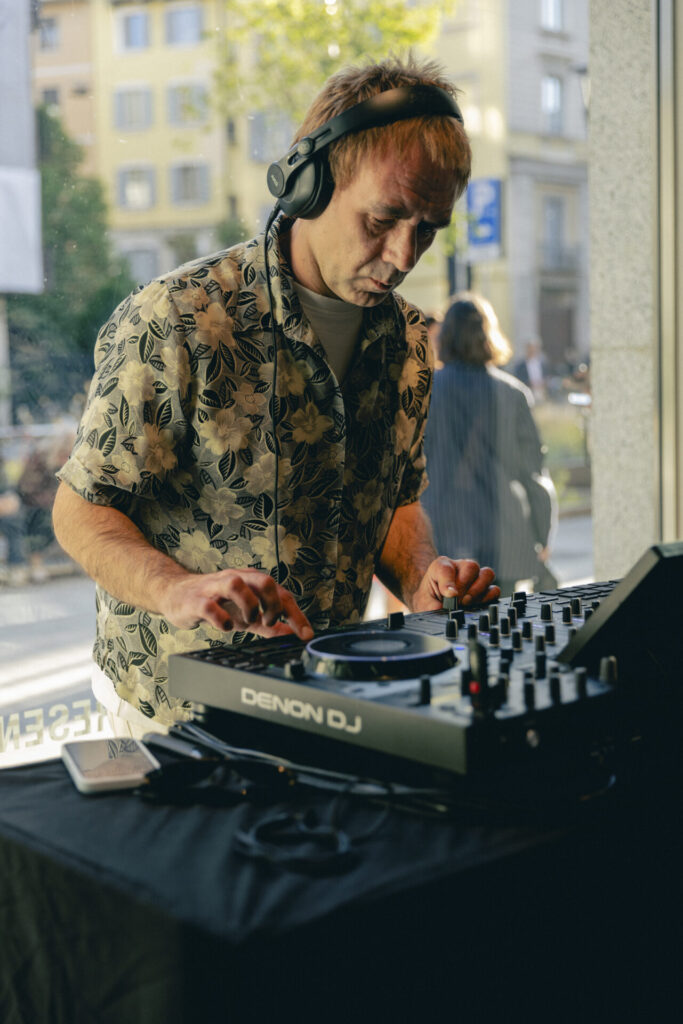
Listen to The Recomposed Instant, a mixtape by Eugenio Mazzetto.
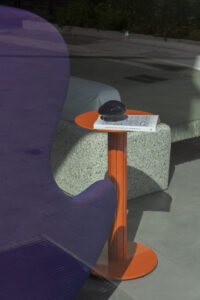
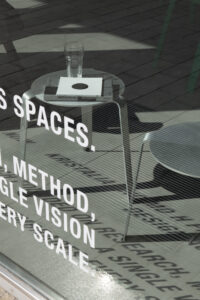
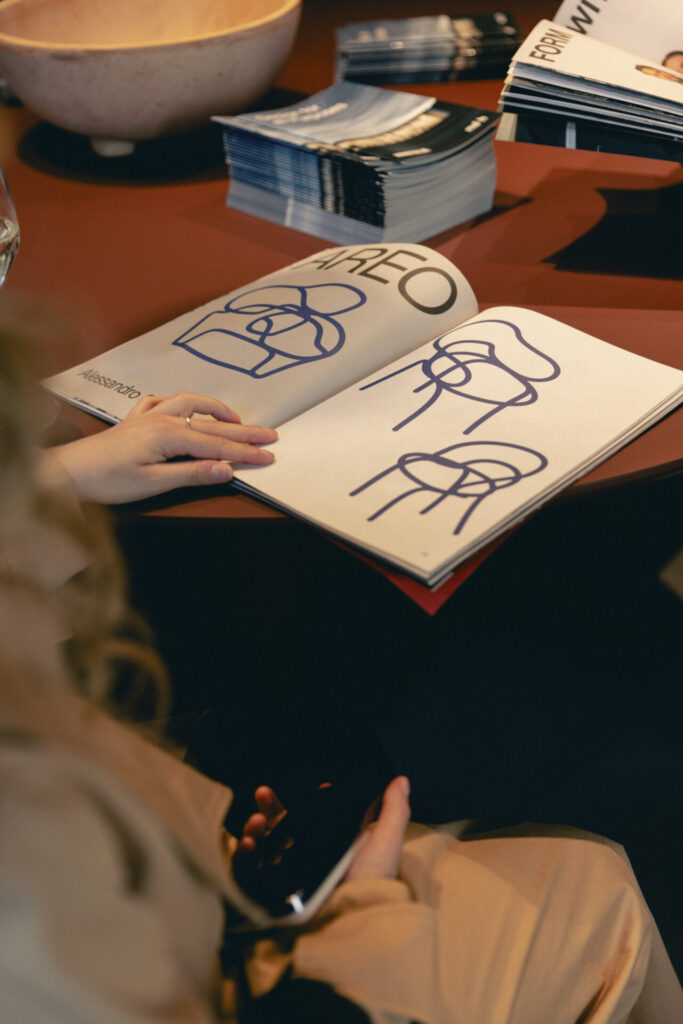
The installation at Via Molino delle Armi 14 was further extended through And Now, Design Across Spaces, developed by Kristalia within the Mo.1950 showroom.
The project introduced a complementary perspective on contemporary living, bringing together formal research and function through selected versions of iconic products, established collaborations and new 2026 designs.