During the Milano Design Week, the exhibition space of Mo.1950 was reconfigured as a perceptual field—an environment where objects, images, and material surfaces entered into a subtle, continuous negotiation.
The Instant of Change, a project conceived by Alecio Ferrari in collaboration with Studio Fludd, unfolded not as a conventional display, but as a spatial inquiry into the transient states of matter and perception.
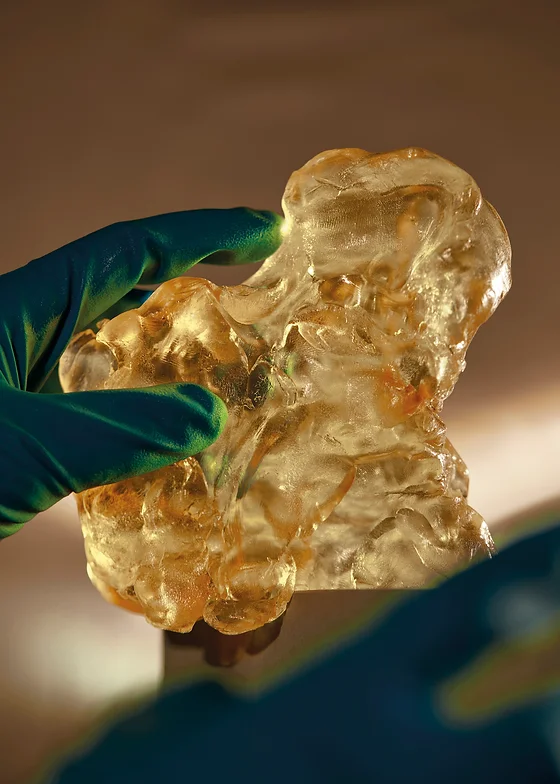
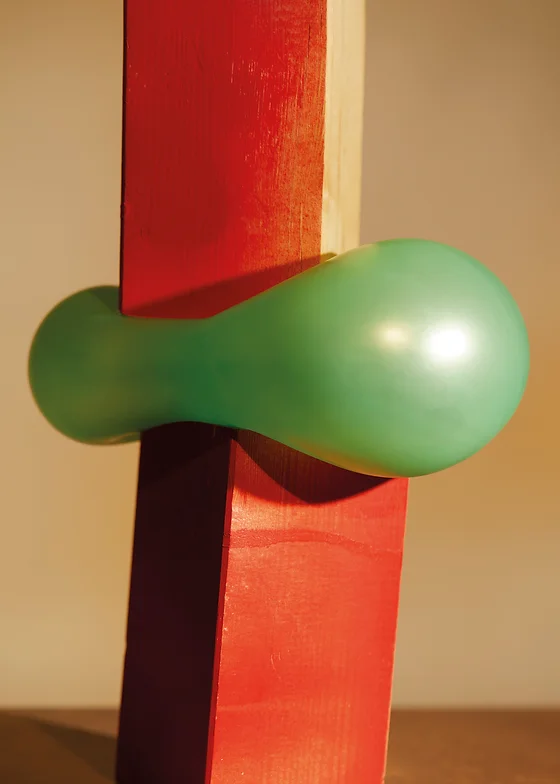
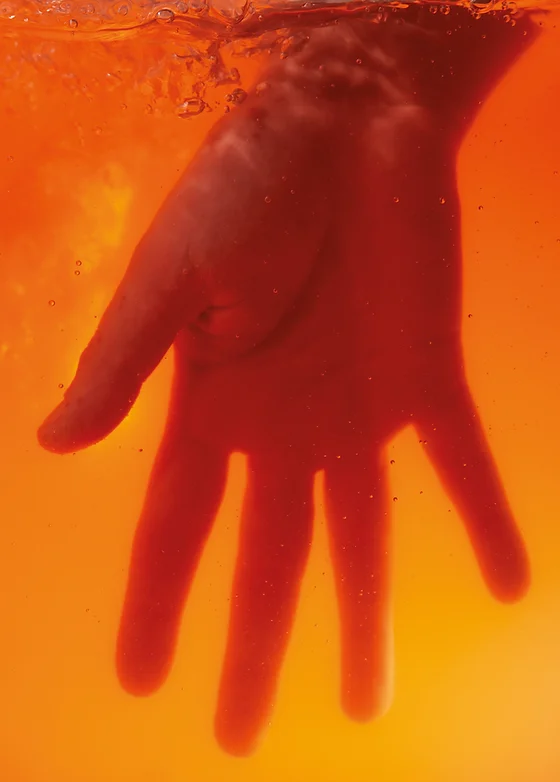
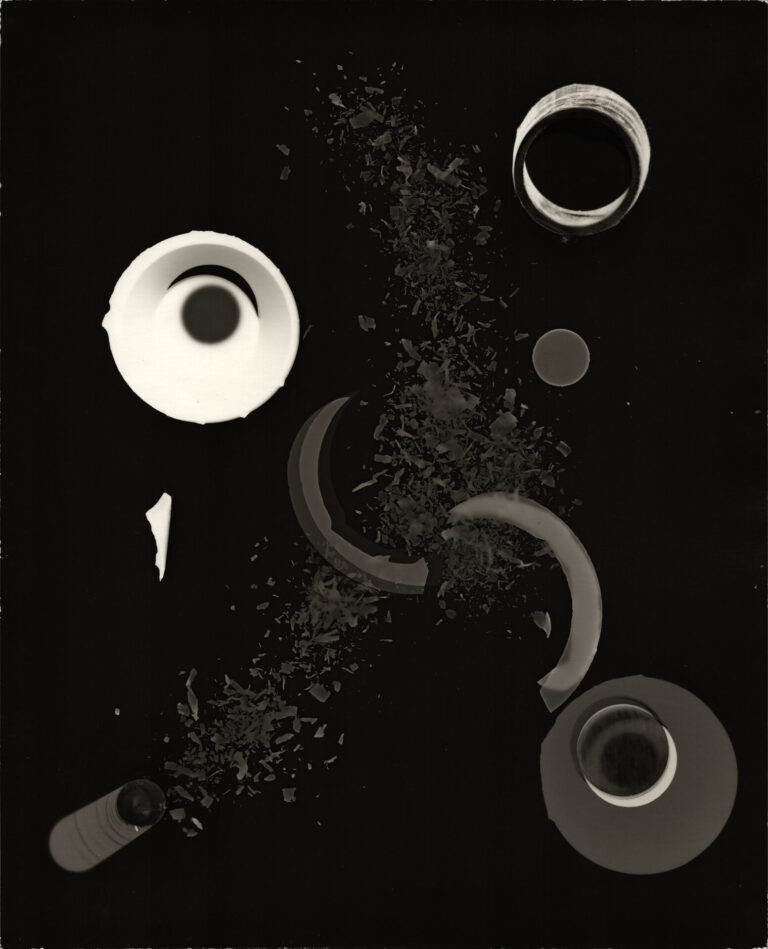
At the core of the intervention lies a photographic installation that resists the notion of image as static representation. Instead, Ferrari’s visual language operates in a suspended territory between documentation and abstraction, where matter appears caught in the very act of becoming. Liquids, pigments, and surfaces are observed at the threshold of mutation, generating images that are at once precise and indeterminate. This tension is amplified by Studio Fludd’s curatorial approach, which extends the photographic dimension into the physical space, orchestrating a dialogue between the exhibited works and the showroom’s design objects.
The collaboration with Ceramiche Caesar, Quadrodesign, and Rexa becomes an integral component of the project rather than a contextual backdrop. Surfaces, fixtures, and material systems are not merely displayed; they are activated as agents within a broader narrative on transformation. Ceramics, metals, and composite materials echo the chromatic and morphological shifts depicted in the photographic works, establishing a resonance between industrial production and experimental observation.
Rather than presenting change as a linear process, The Instant of Change proposes a condition of continuous flux—an “instant” that dilates and multiplies across scales and media. The installation invites viewers to reconsider the temporal dimension of design, suggesting that every object, every material, is inherently provisional, suspended within an ongoing cycle of alteration.
In this sense, the project can be read as both a laboratory and a meditation: a laboratory in its methodical attention to physical phenomena, and a meditation in its capacity to render visible the often imperceptible transitions that shape our material world. Within the curated environment of Mo.1950, the boundaries between image and object, research and display, dissolve into a cohesive experiential field—one that foregrounds transformation not as an event, but as a permanent condition of existence.