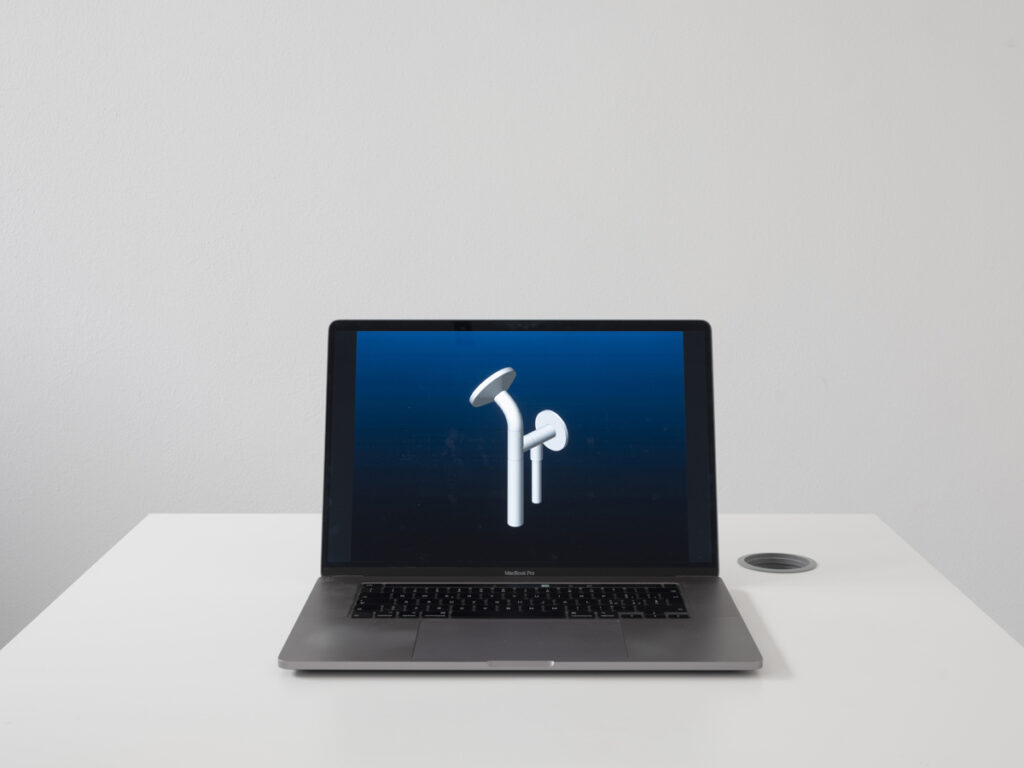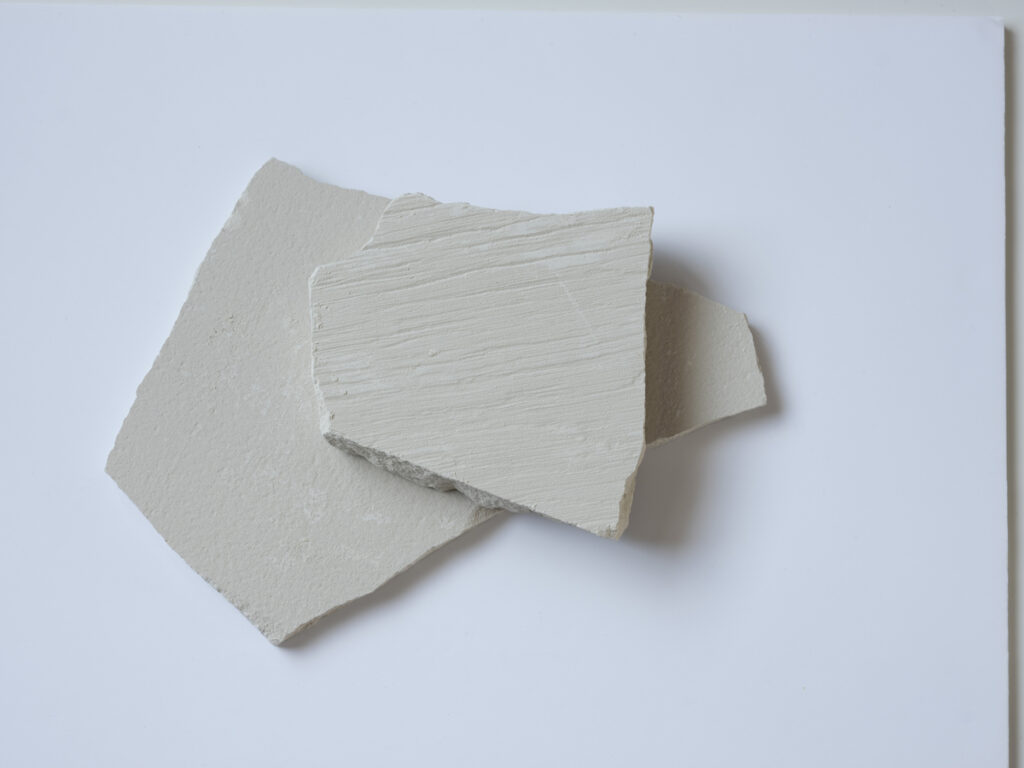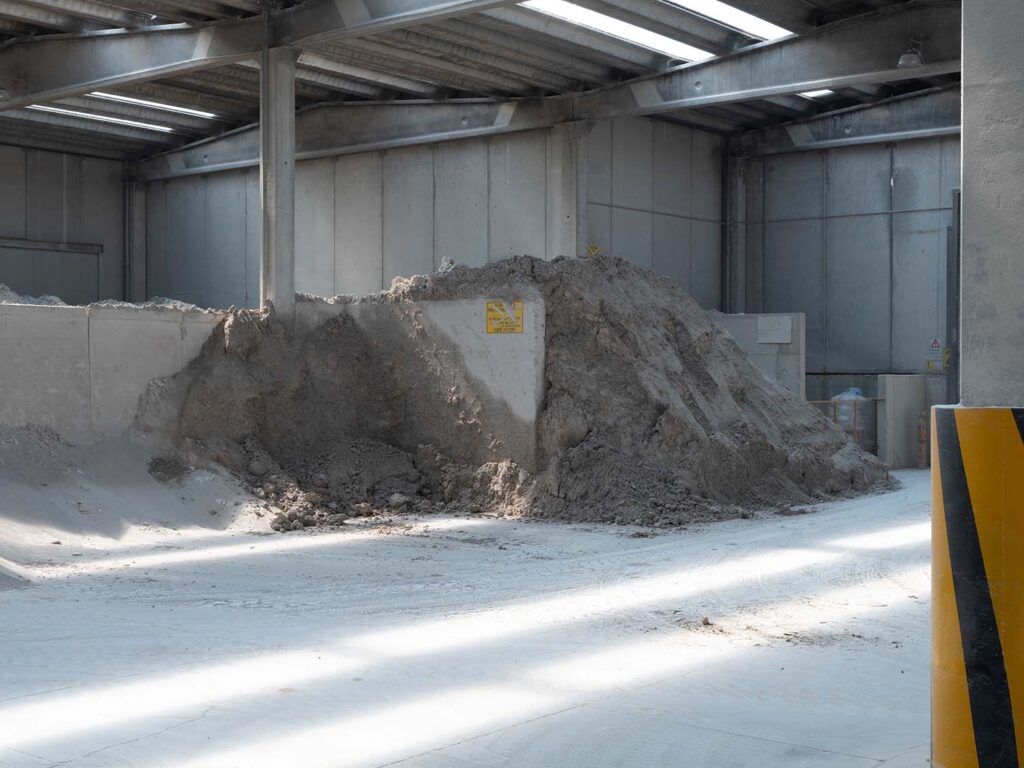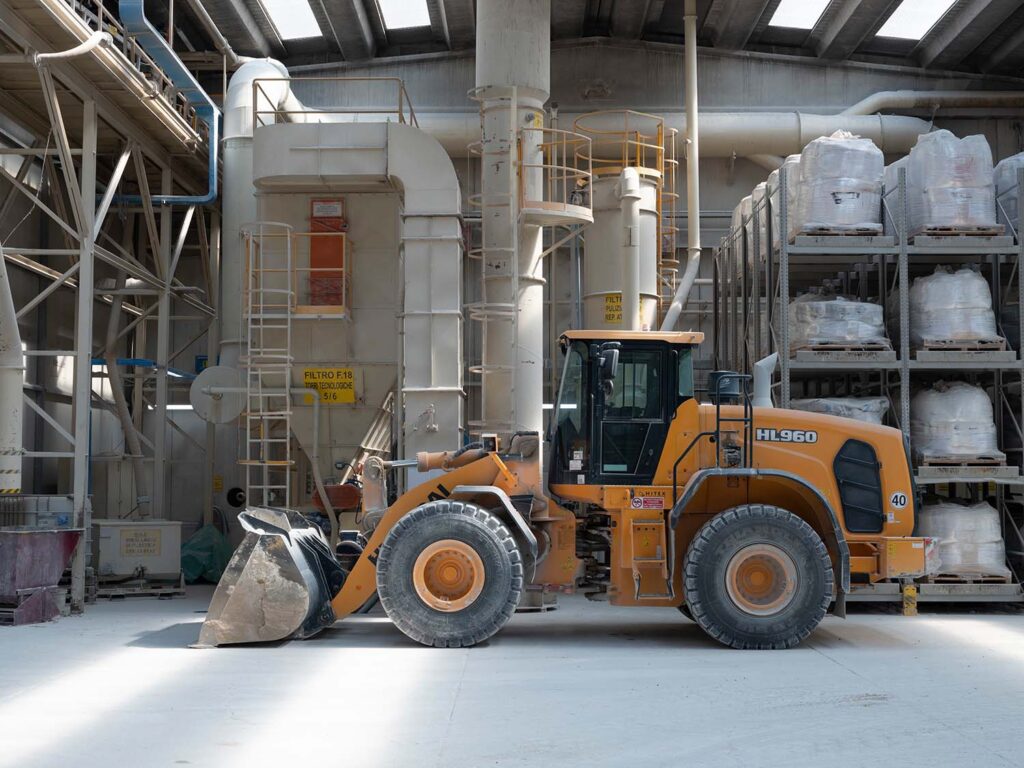
In the context of the Milano Design Week 2022, Mo.1950 renews its engagement with the theme of material transformation by presenting the second chapter of The Instant of Change. Hosted at the showroom’s Milan premises on Via Molino delle Armi, the exhibition unfolds as a layered visual and spatial investigation led by Alessandro Furchino Capria and curated by Luca A. Caizzi.
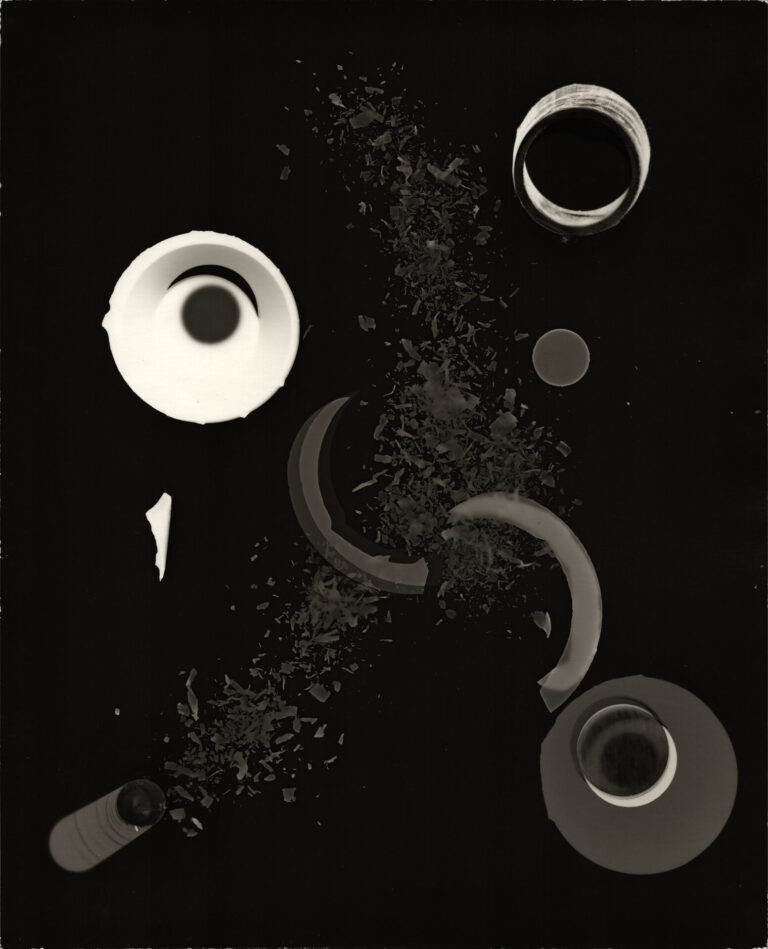
If the first iteration approached change as a suspended, almost chemical condition, this new chapter introduces a more introspective and process-oriented gaze. Subtitled “On Chasing or On Letting Go”, the project shifts the focus from the observable mutations of matter to the underlying tensions that guide transformation—control and release, intention and accident, construction and dissolution. Through a sequence of images and moving works, Furchino Capria constructs a visual grammar in which materials are not only observed but interrogated, pushed toward thresholds where their behavior becomes unpredictable.
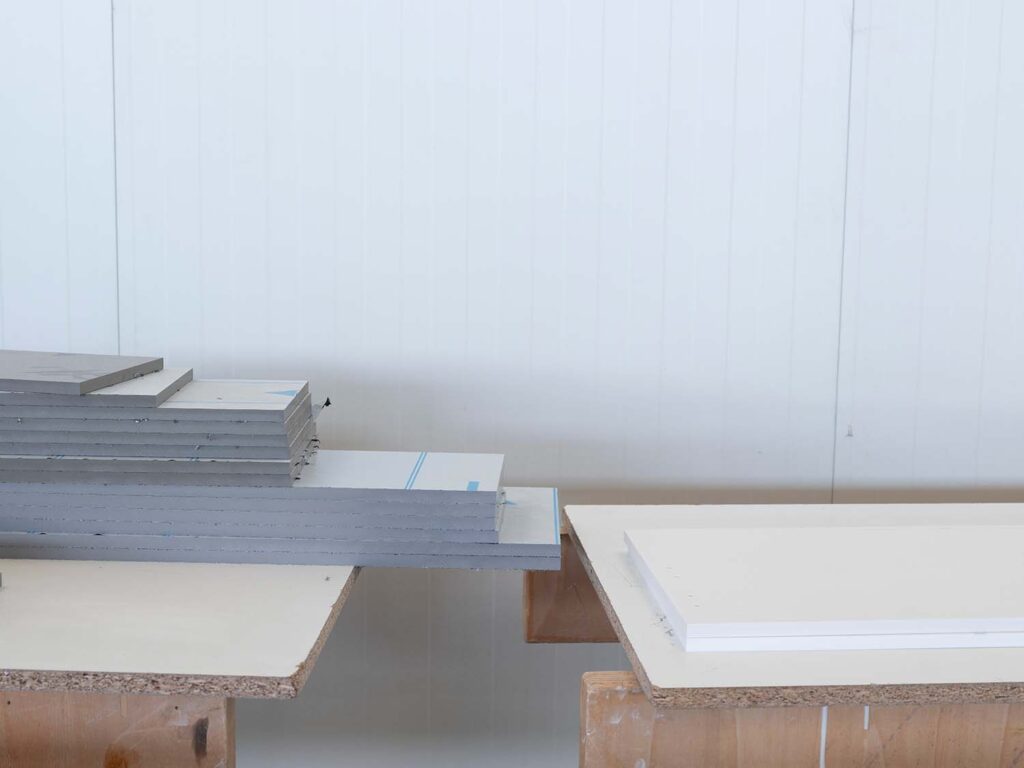
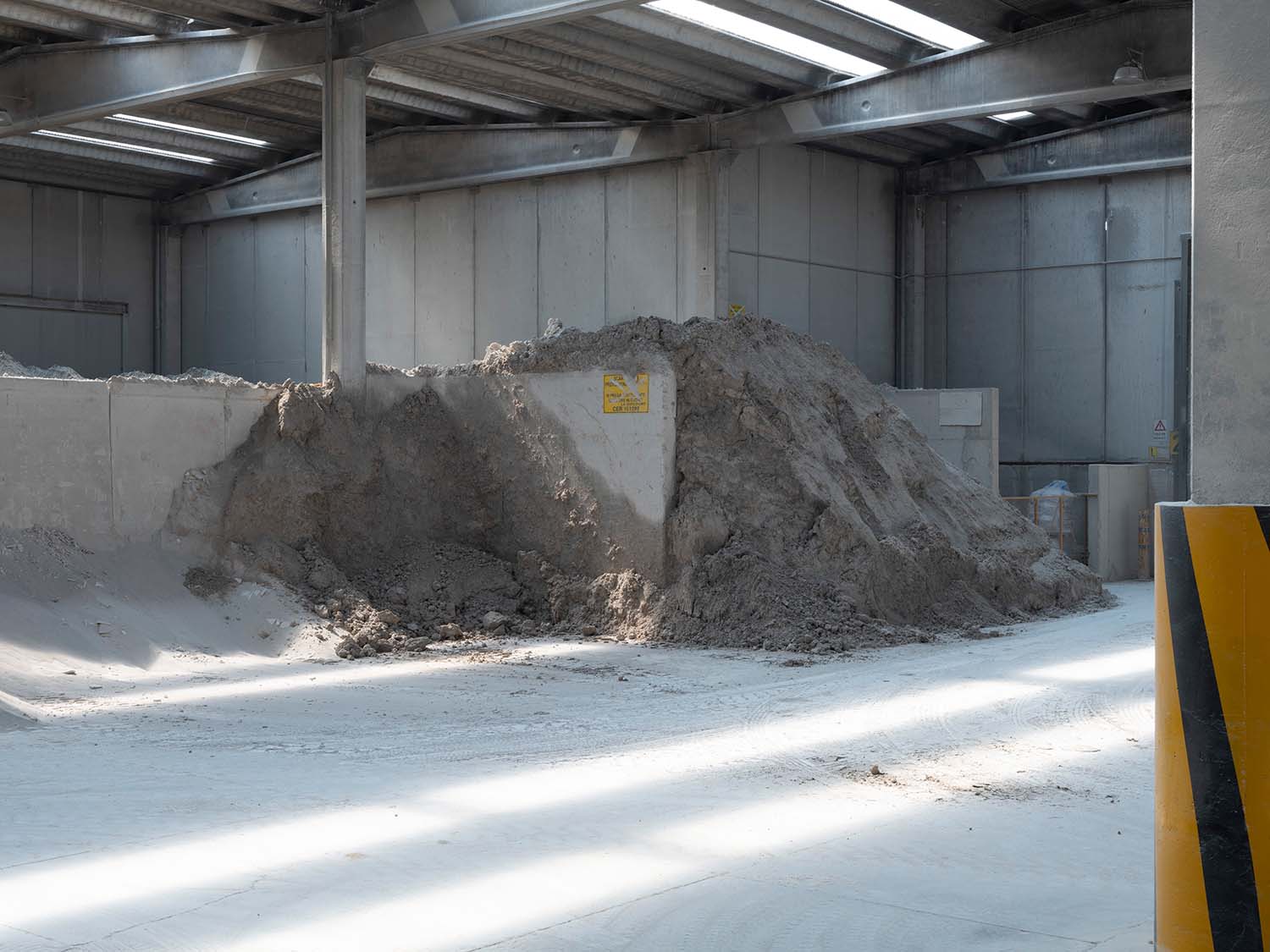
The installation extends beyond the autonomy of the artwork, entering into a calibrated dialogue with the objects and surfaces inhabiting the showroom. The collaboration with Ceramiche Caesar, QuadroDesign, and Rexa operates as a structural condition of the project rather than a contextual frame. Here, industrial materials—ceramic slabs, metal components, architectural elements—become part of a broader narrative system, reflecting and amplifying the visual sequences proposed by the artist.
Furchino Capria’s work navigates a territory where the distinction between representation and process becomes increasingly porous. Liquids disperse, pigments stratify, surfaces absorb and resist: each gesture reveals a moment of instability, a fleeting equilibrium that anticipates further change. The introduction of video reinforces this temporal dimension, allowing transformation to unfold not as a captured instant but as a continuous, evolving phenomenon.
As the artist notes, “The Instant of Change is a research on the transformation of materials. But it is also an investigation into the processes that generate the project itself. Beyond that, there is an entire world waiting to take shape.” This statement encapsulates the dual nature of the exhibition: on one hand, a precise inquiry into physical matter; on the other, a broader reflection on the generative conditions of design and artistic practice.
Within the spatial framework of Mo.1950, the exhibition constructs an environment in which objects, images, and processes coexist in a state of productive tension. The result is not a fixed narrative but an open system—one that invites the viewer to engage with transformation as both a perceptual experience and a conceptual horizon, where form is always provisional and meaning continuously deferred.