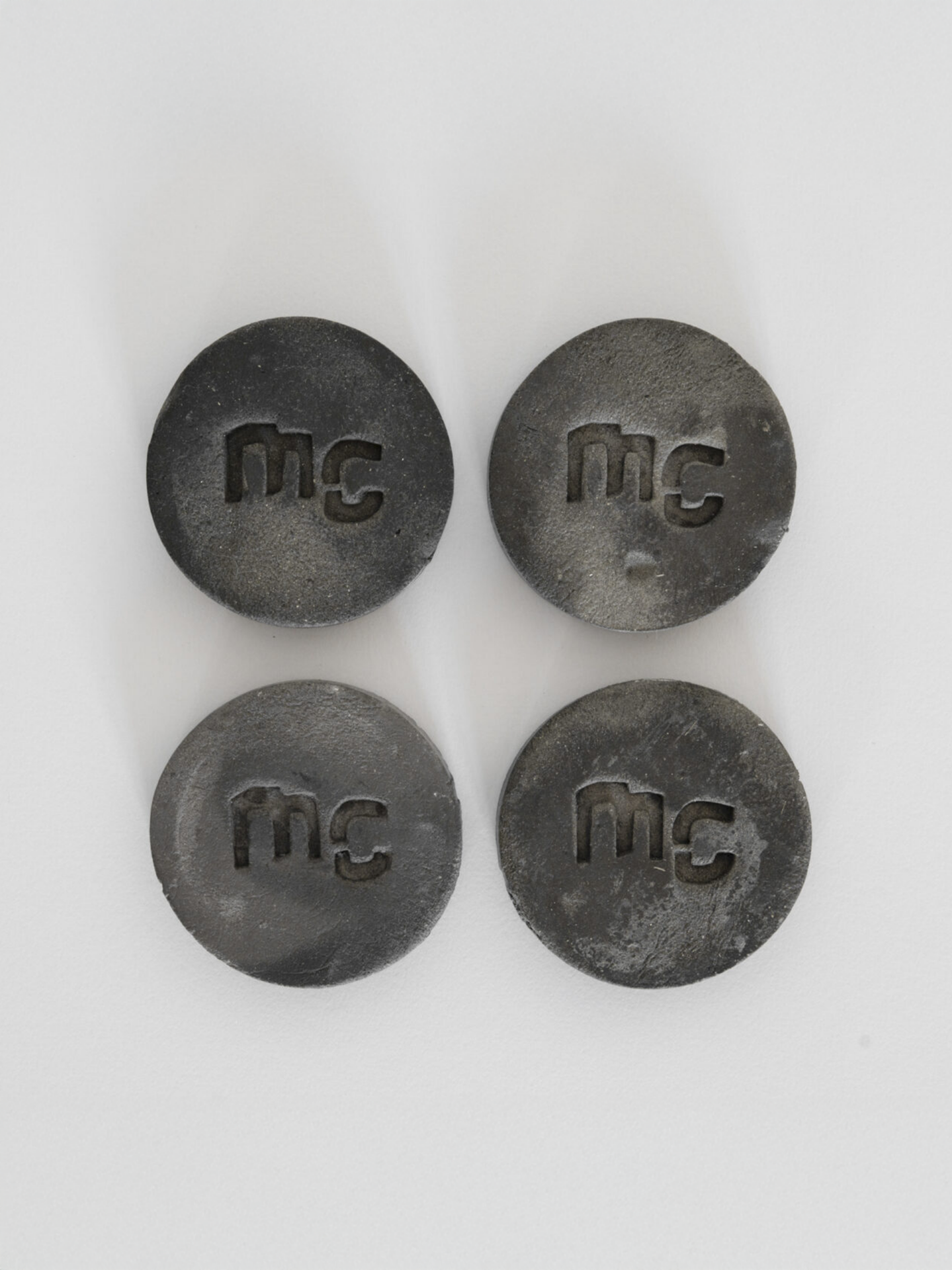
The Mistakers Club is a new format conceived and curated by Mo.1950 around a simple premise: an error can become a generative act.
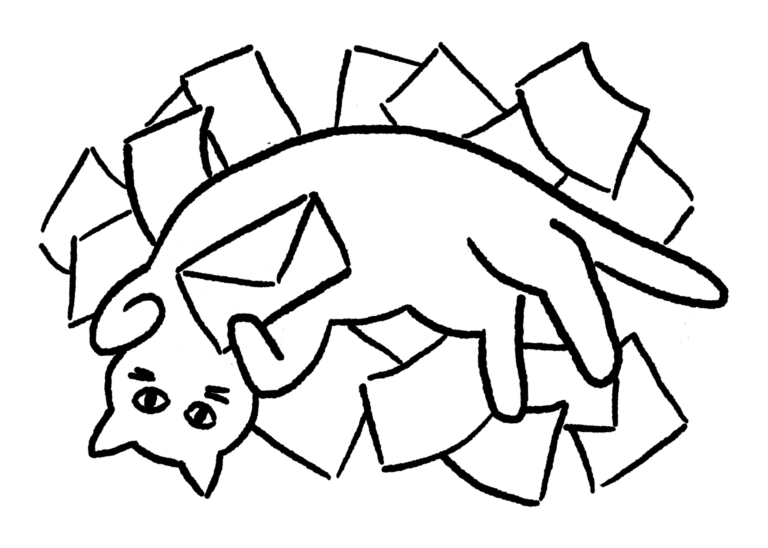
The name combines irony and intent: a “Mistaker” is someone who makes mistakes; it’s a deliberately invented word with a clear, immediate meaning. The name has an intentionally provocative tone, referring to a diverse group of professionals who embrace errors, imperfections and non-linear creative processes.
The concept of “Club” defines a shared space where imperfection, deviation, and non-linear processes can drive innovation.
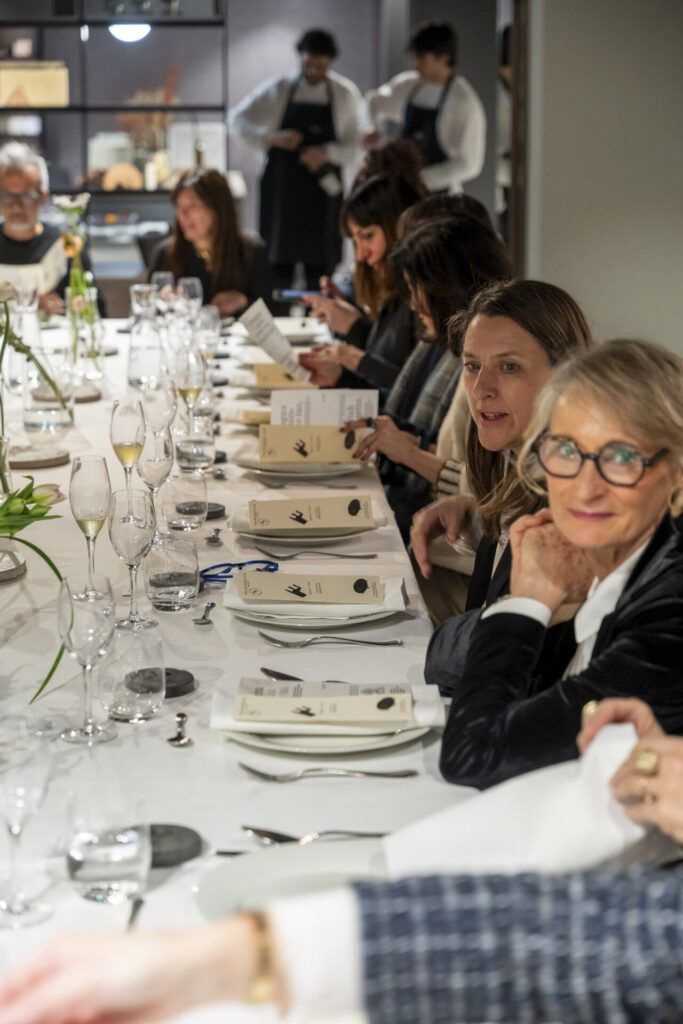
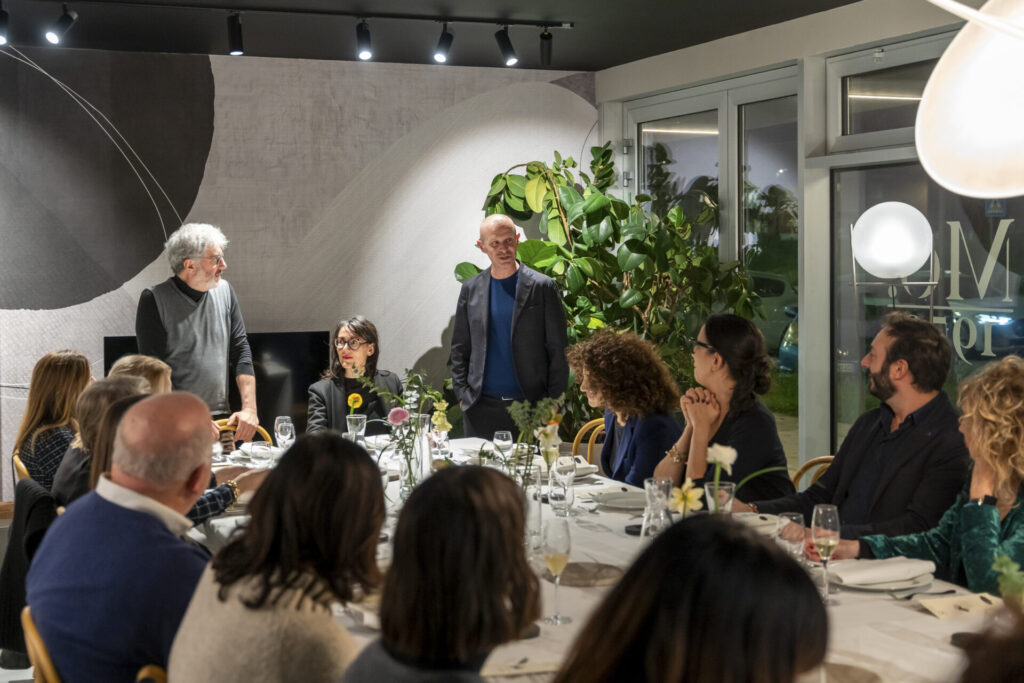
Each episode brings together a design partner and a chef in a dialogue between material research, creative processes and food culture.
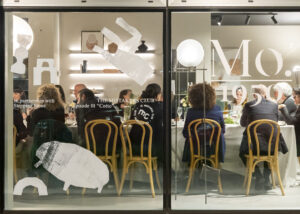
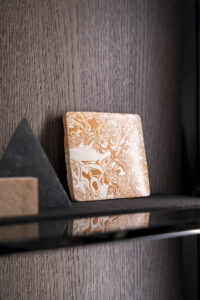
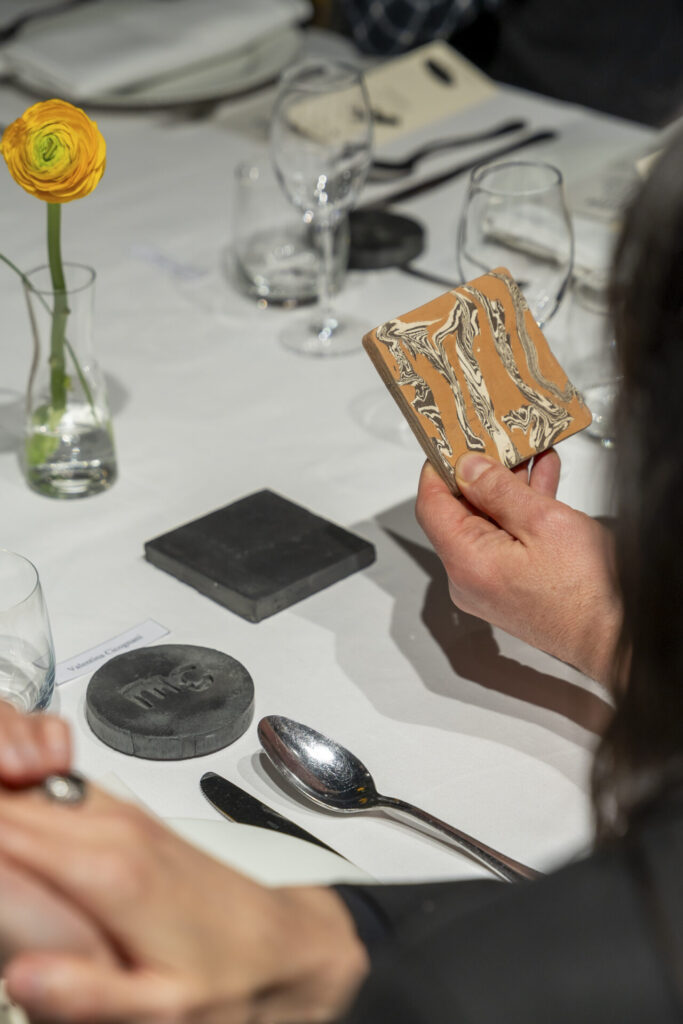
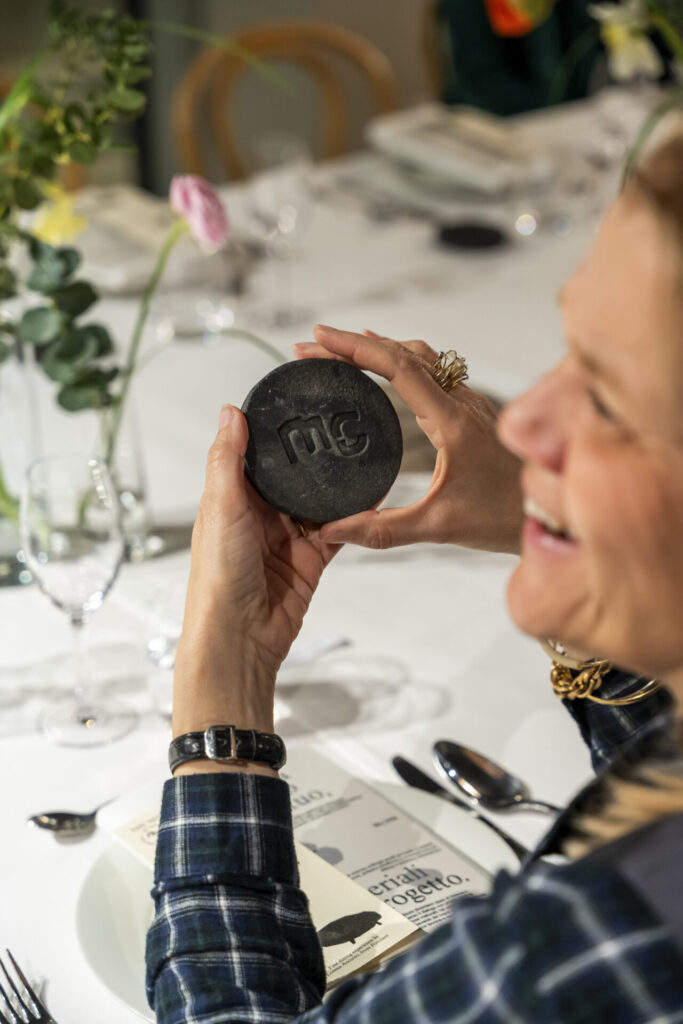
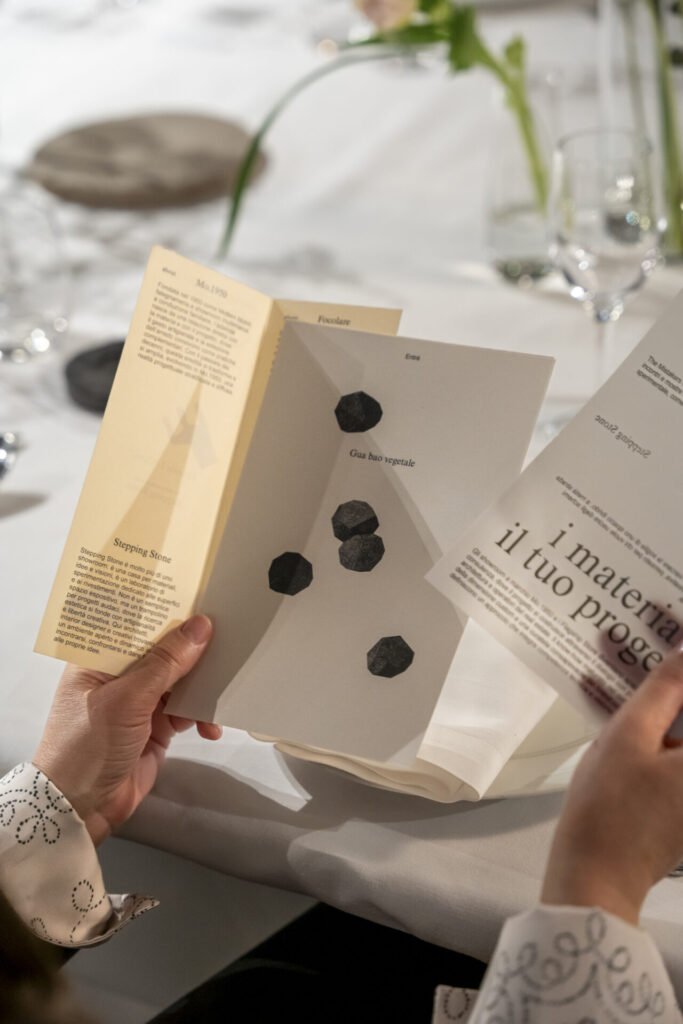
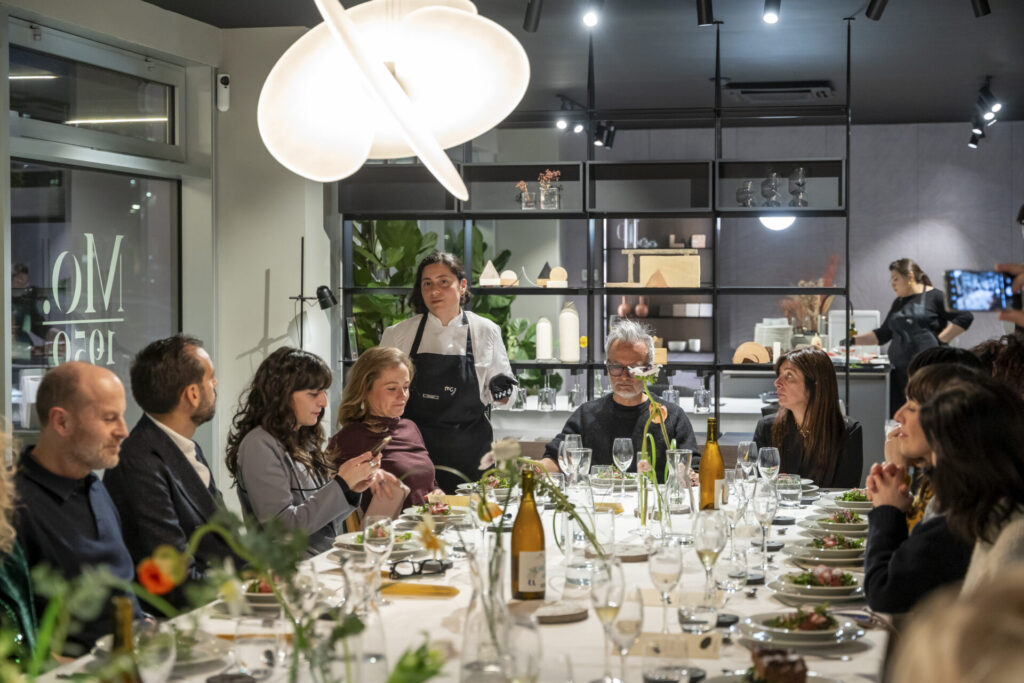
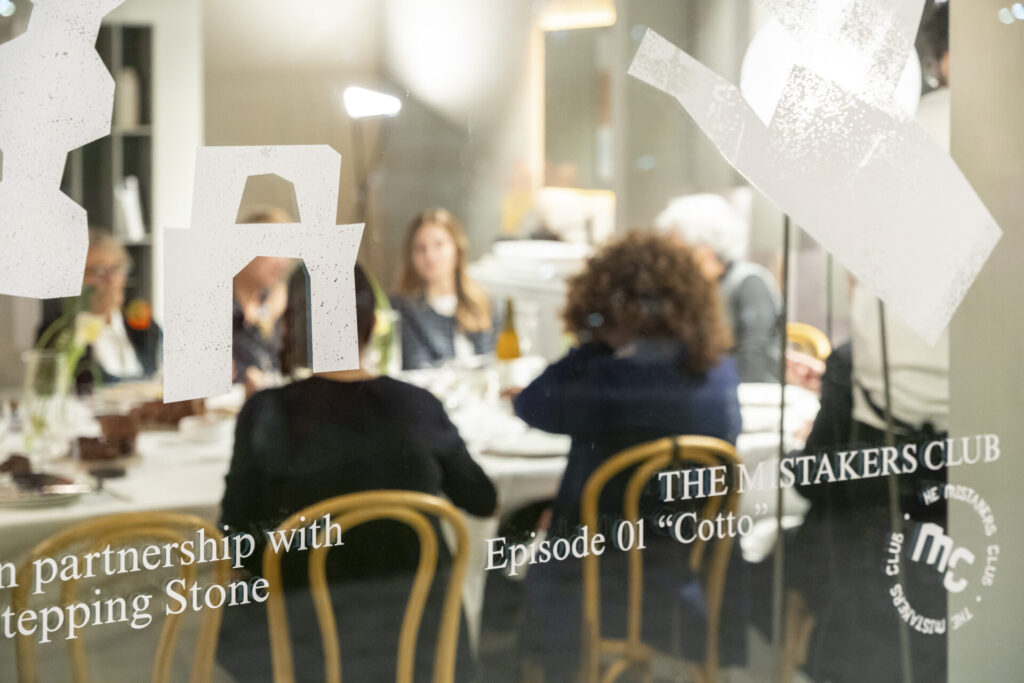
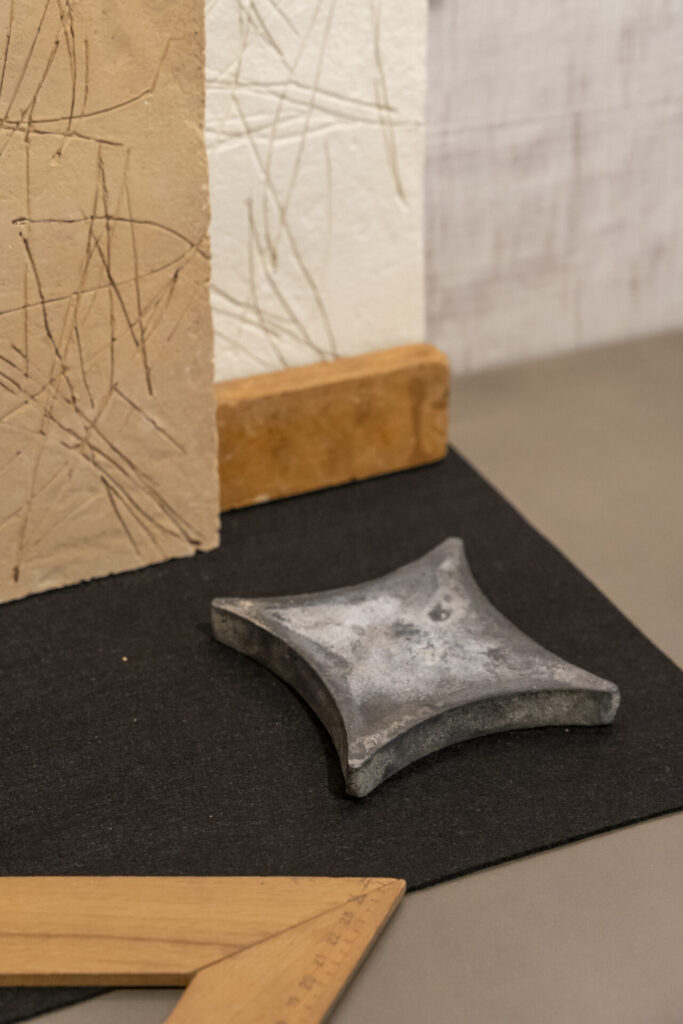
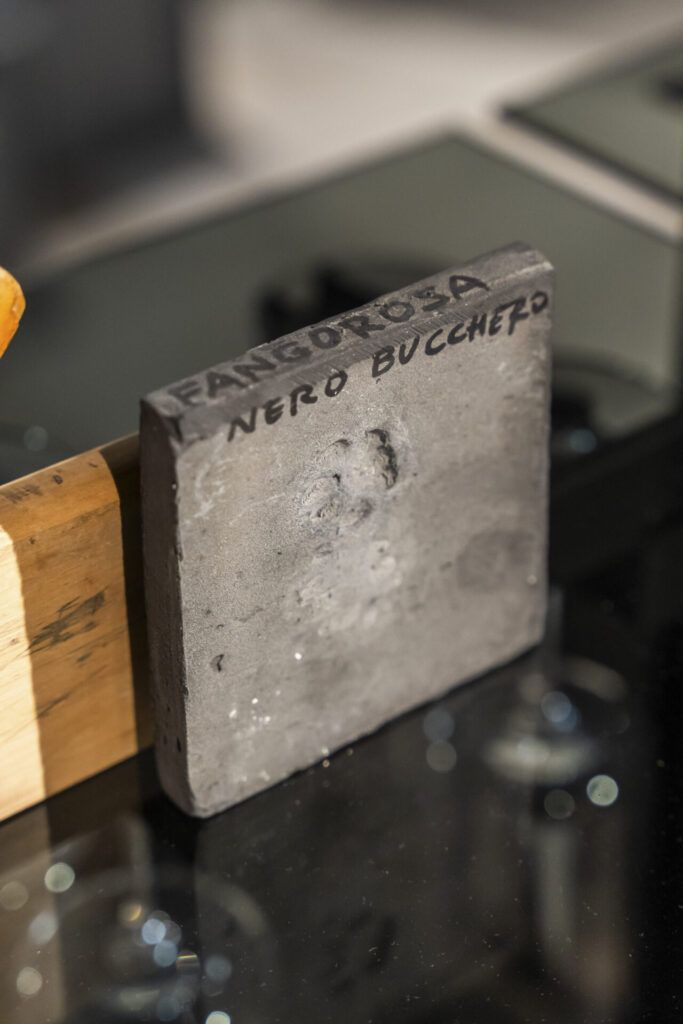
The first episode, Cotto, took place at Mo.1950 Bologna in collaboration with Stepping Stone, represented by Gianluca Perrone, and Lorena Accurso, chef and founder of Focolare. At the centre was terracotta and the tile collection “Fangorosa”, exploring its origins, material qualities, and contemporary possibilities through production marks, organic impressions, moulds, altered glazes, and unexpected variations. Rather than treating these outcomes as defects, the exhibition presented them as a catalogue of possible forms and processes.
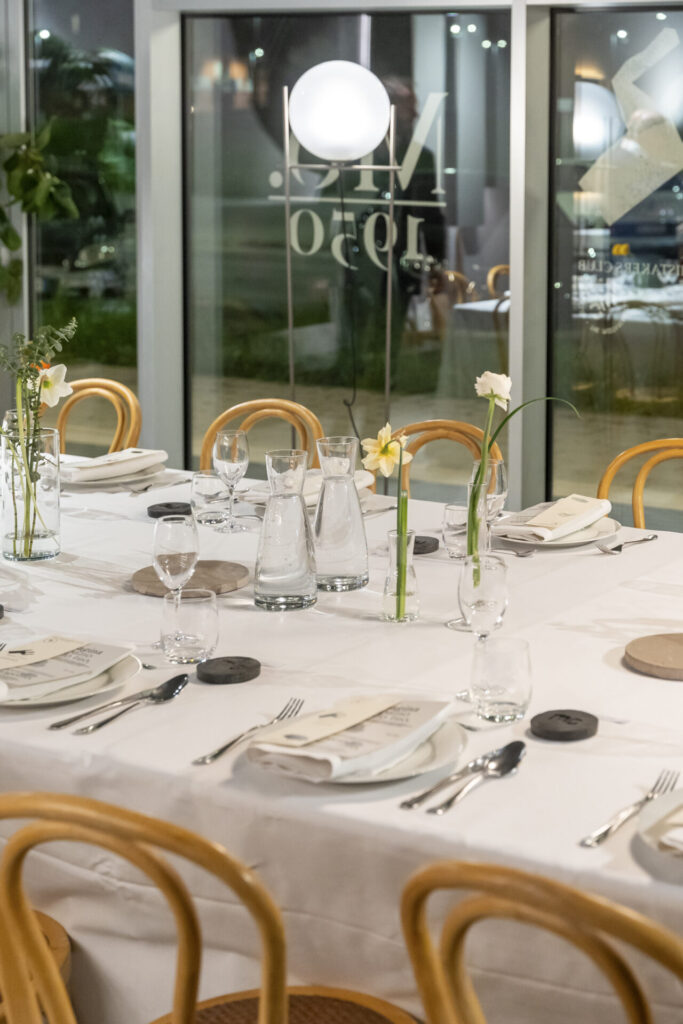
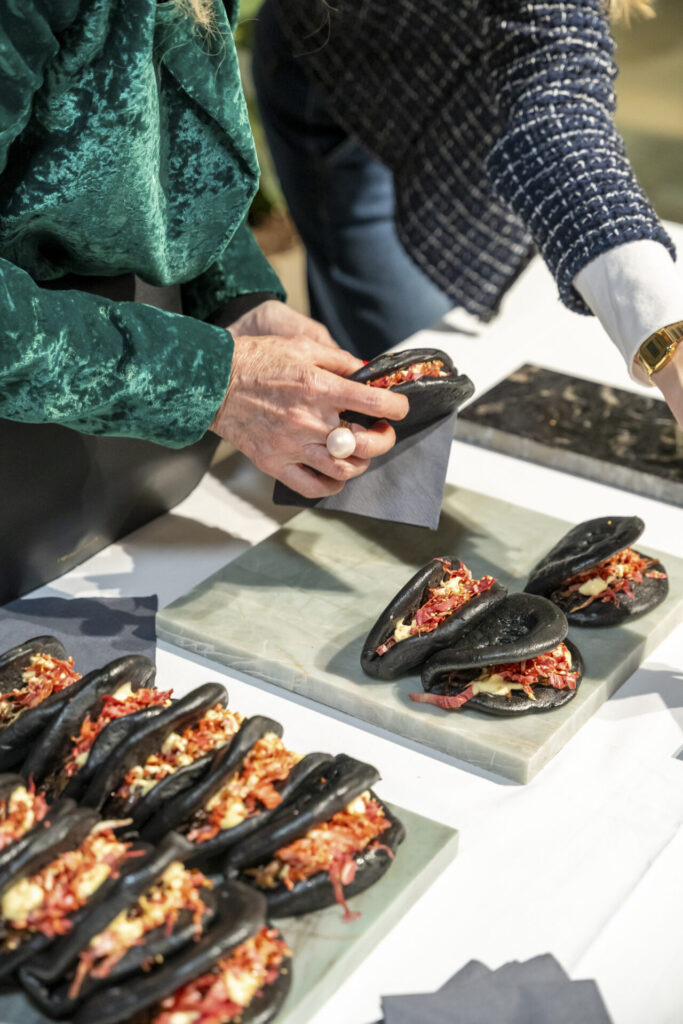
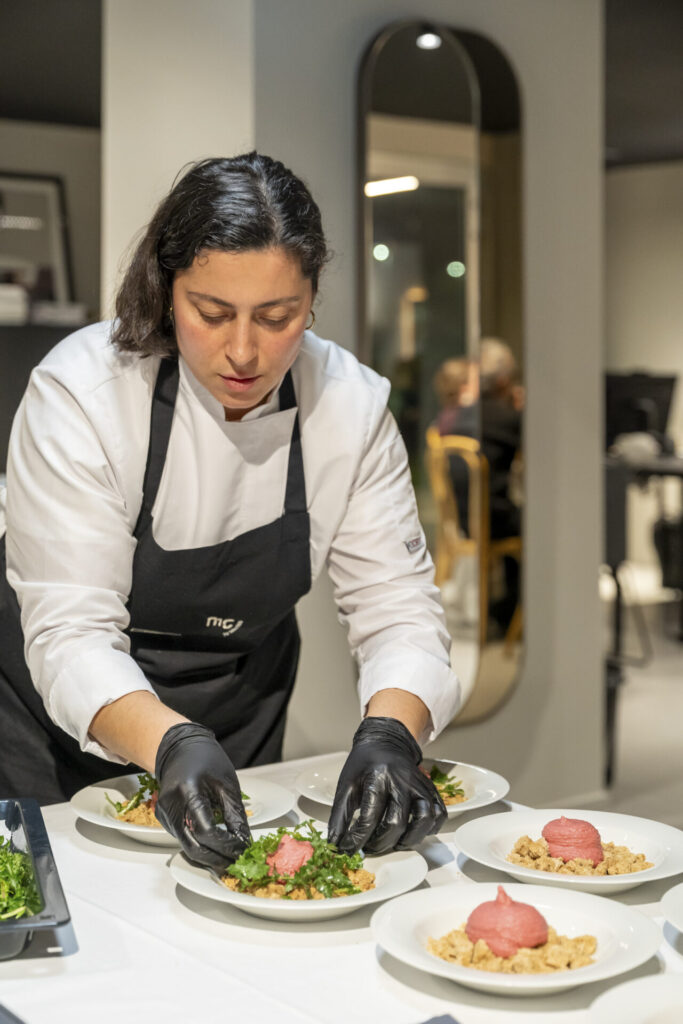
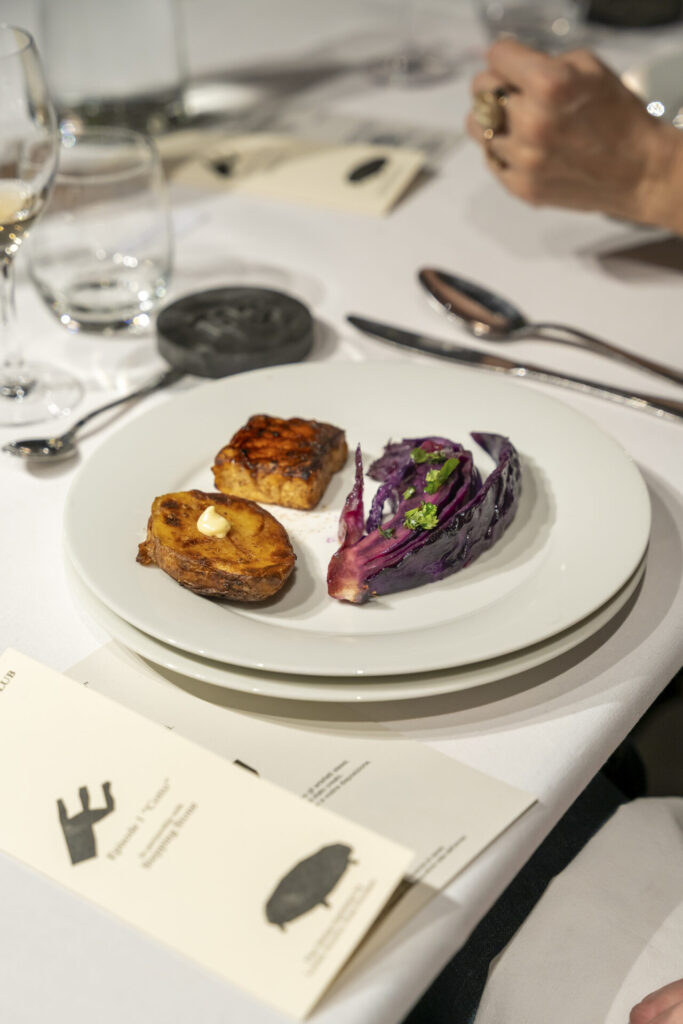
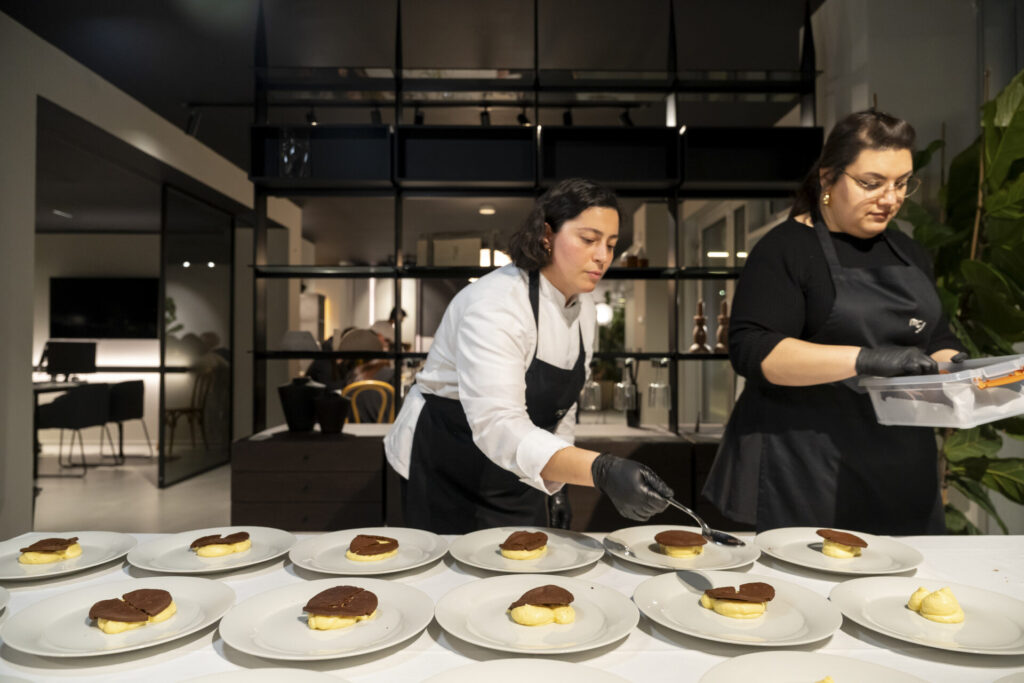
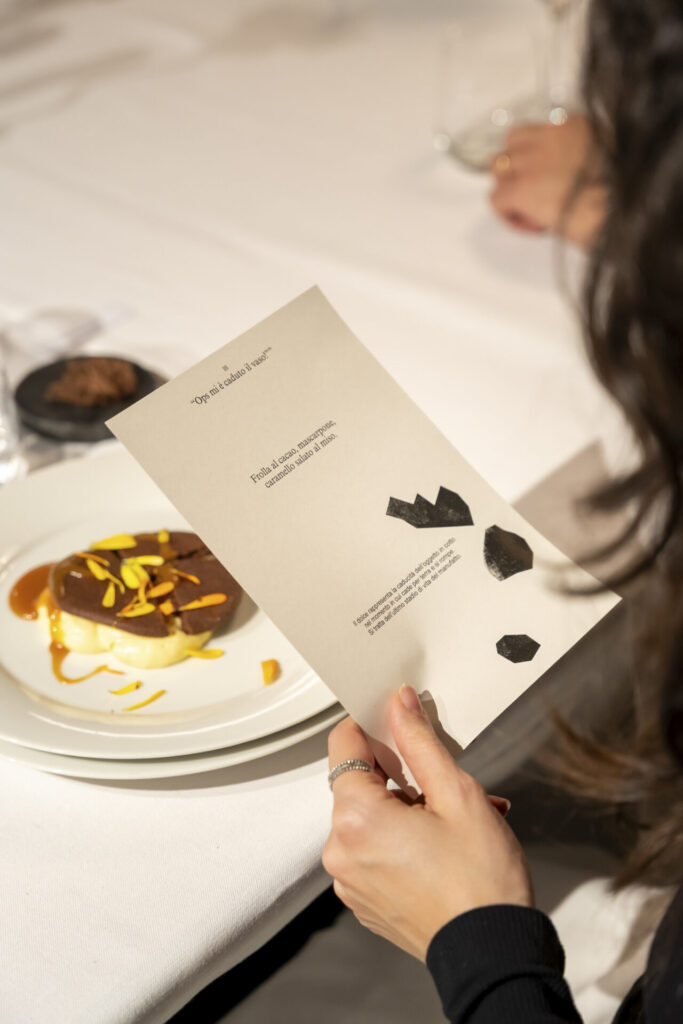
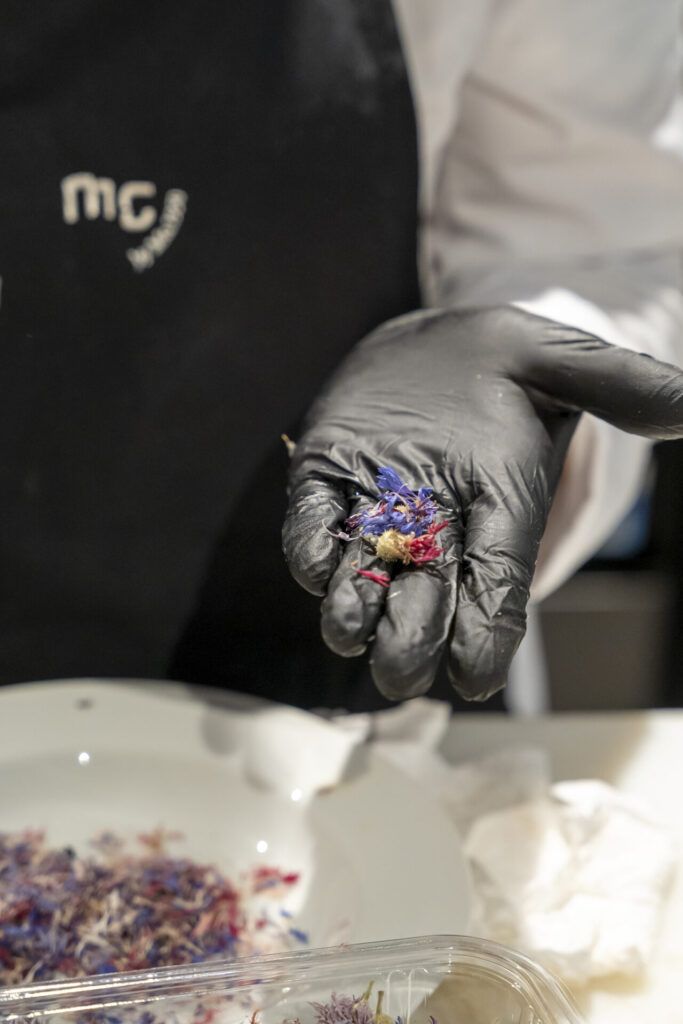
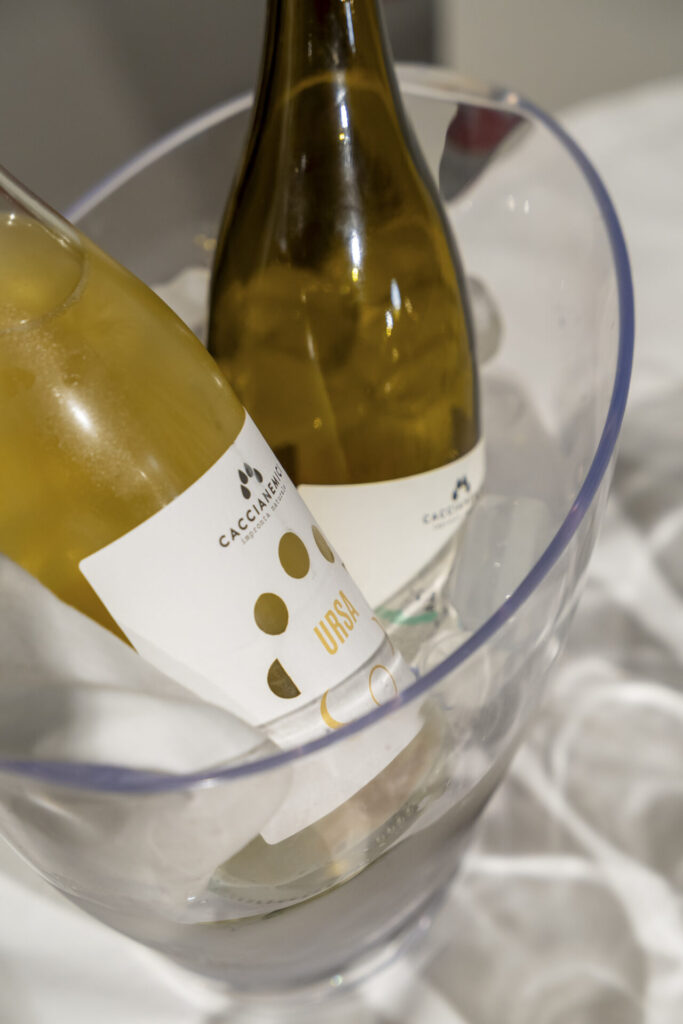
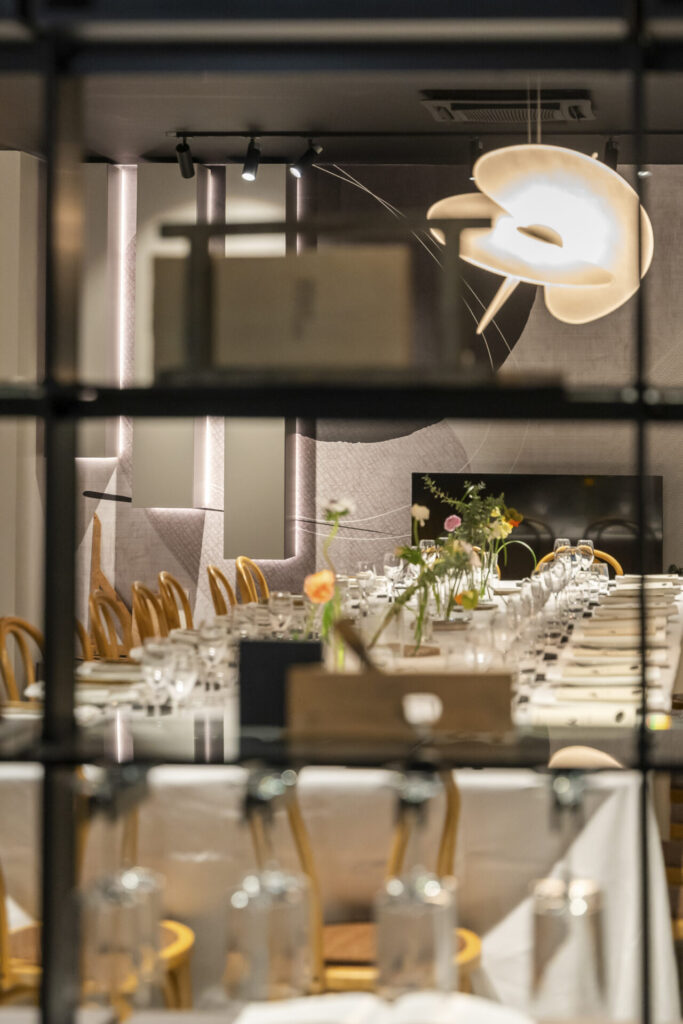
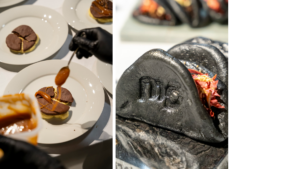
The same research extended to the table. Lorena Accurso translated the material qualities of terracotta into a gastronomic experience, working with textures, doughs, acid-base contrasts and the organic character of a cuisine rooted in tradition and reinterpreted through contemporary technique. Cantina Caccianemici completed the dialogue with a biodynamic wine selected for the occasion.
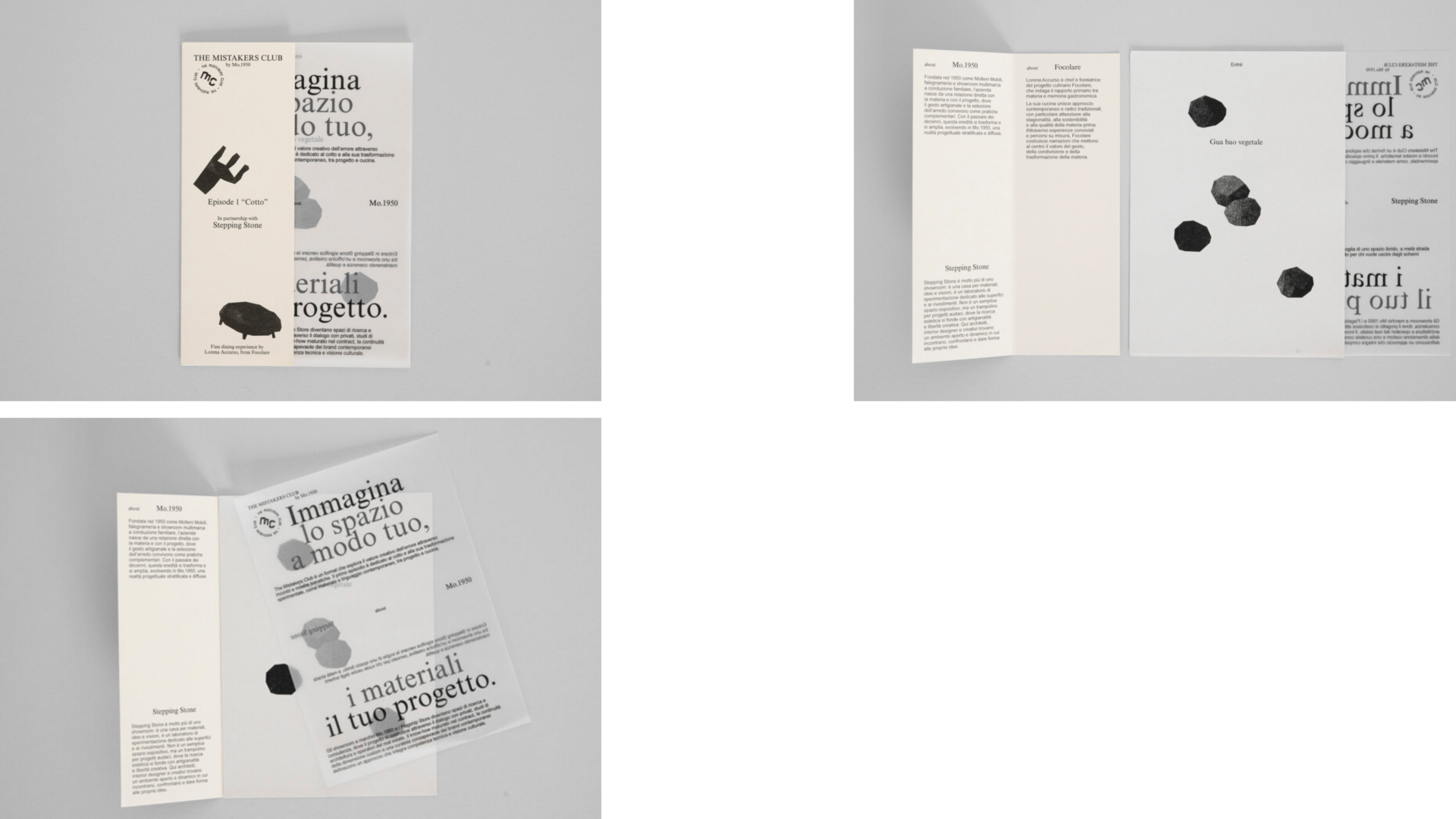
The visual identity of The Mistakers Club also developed from further reflection on matter and transformation, drawing on the work of Eduardo Chillida as the main reference and inspiration, whose research investigated the relationship between form, void and material. His sculptural language provided a conceptual reference for the graphic system, reinforcing the format’s focus on process, imperfection and evolving forms.
The first episode therefore established the Club as a platform for cross-disciplinary research, where material and food become parallel fields of experimentation and error is reconsidered as a productive design condition.